

Check out our latest products


![[PETHROOM] Cat Nail Clipper Trimmer for Indoor Cats with Circular Cut Hole (2mm) | Premium Sturdy Stainless Steel Blade Cat Claw | Safe, Easy, Accurate, Quiet & Fast | Avoid Overcutting](https://m.media-amazon.com/images/I/6156hi88deL._AC_SL1298_.jpg)
![[PETHROOM] Professional Eye Comb for Pets | Stainless Steel Tear Stain Remover for Cats & Dogs | Gentle Round-Head Grooming Tool | Compact & Portable for Eye Gunk Removal](https://m.media-amazon.com/images/I/71+W758uwXL._SL1500_.jpg)
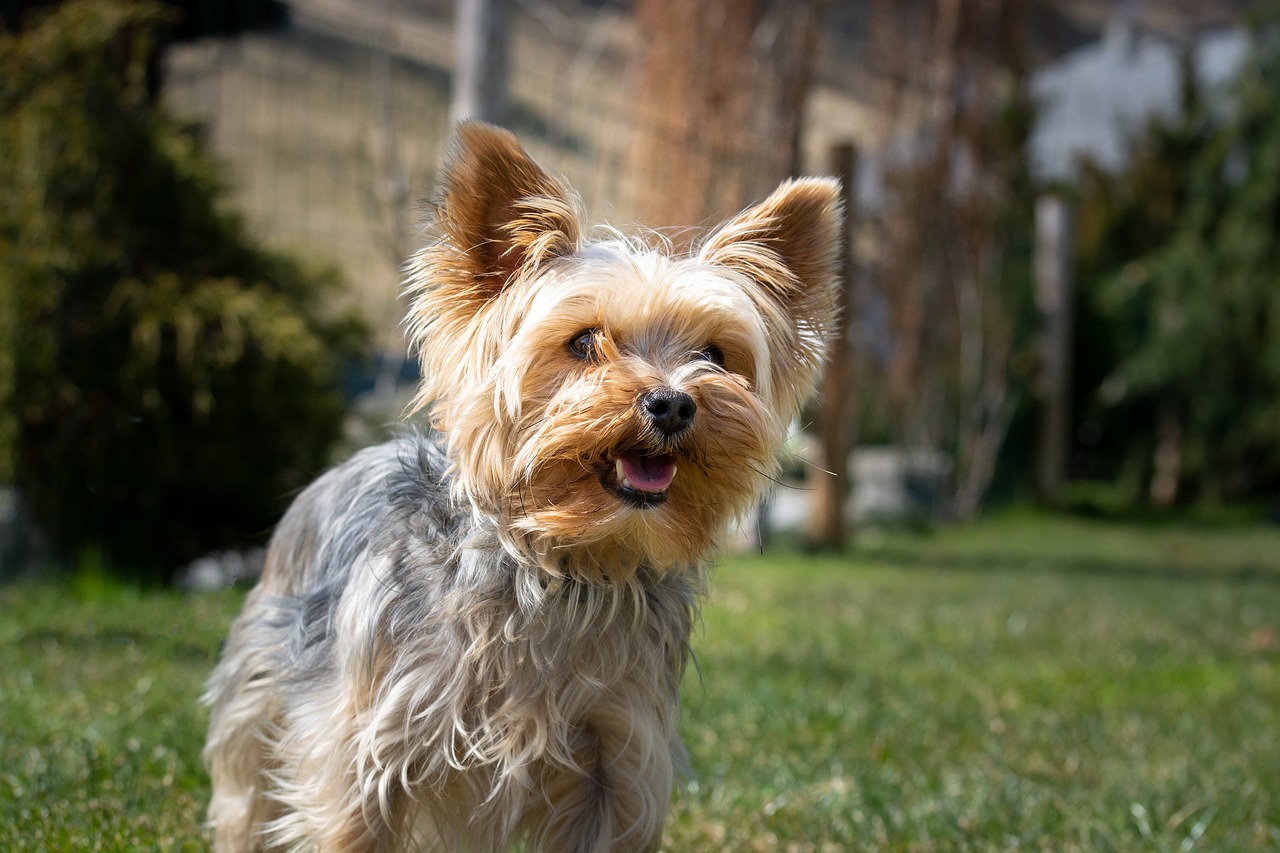
Yorkshire Terriers, or Yorkies for short, are small dogs that are known for their big personalities. However, one of the biggest challenges that Yorkie owners face is their reactive barking. Yorkies are notorious for barking at strangers, other dogs, and even inanimate objects. This type of behavior can be frustrating for owners, but it is important to understand that it is a natural instinct for dogs to bark. In this article, we will discuss 10 effective strategies to help Yorkie owners manage and reduce their dog’s reactive barking behavior.
⚠️ Note: While the tips below should get you started, it’s important to realize that your Yorkie’s excessive barking is a symptom of reactivity. Consider looking into an online training course that specifically addresses reactivity (we like SpiritDog’s “Tackling Reactivity course or K9 Institute’s Dog Masterclass)
1. Identify and Understand Your Yorkie’s Triggers:
The first step to addressing reactive barking is to identify the specific triggers that cause your Yorkie to bark. Observe your dog closely to determine what situations or stimuli provoke their barking, such as encountering other dogs, strangers approaching, or loud noises. Once you understand the triggers, you can develop a targeted plan to address the issue.
2. Desensitize Your Yorkie to Triggers:
Desensitization is a gradual process that involves exposing your Yorkie to their triggers at a comfortable distance, allowing them to become more accustomed to the stimulus without reacting. Over time, you can slowly decrease the distance between your dog and the trigger, always rewarding calm behavior. This process helps your dog become less reactive to the trigger, ultimately reducing their barking.
3. Use Counter-Conditioning with Your Yorkie:
Counter-conditioning is another technique that can help change your Yorkie’s emotional response to a trigger. By pairing the trigger with something positive, such as treats or toys, your dog can begin to associate the stimulus with a positive experience rather than fear or anxiety. Over time, this can reduce your dog’s reactive barking.
4. Use Positive Reinforcement with Your Yorkie:
Reward your Yorkie for remaining calm and quiet in situations where they would typically react with barking. Consistently offer praise, treats, or affection when your dog displays appropriate behavior in response to their triggers. This positive reinforcement helps your dog learn that there are better ways to cope with their triggers than barking.
5. Teach Your Yorkie the “Quiet” Command:
Train your Yorkie to understand and respond to the “quiet” command. When your dog starts barking in response to a trigger, calmly say “quiet” and wait for them to stop. As soon as they are silent, immediately praise and reward them. Repeat this process consistently until your dog associates the command with the desired behavior.
Related: What online dog training program does iHeartDogs recommend for reactive barking?
6. Redirect Your Yorkie’s Attention:
When your Yorkie begins to bark reactively, try redirecting their attention to more productive activity. Offer a favorite toy, initiate a training session, or engage in play to refocus their energy. This helps your dog learn that there are alternative ways to react to stimuli, rather than barking.
7. Provide Adequate Exercise and Mental Stimulation for Your Yorkie:
A well-exercised and mentally stimulated Yorkie is less likely to engage in reactive barking. Ensure your dog receives enough physical activity and mental stimulation daily through walks, play sessions, and interactive toys. This can help reduce pent-up energy and frustration, which can contribute to reactive barking.
8. Create a Calm Environment for Your Yorkie:
A chaotic or noisy environment can exacerbate your Yorkie’s reactive barking. Create a calm and quiet space for your pet, with a comfortable bed and designated area for their toys. Use calming scents, like lavender or chamomile, and soothing sounds, such as classical music or white noise, to help reduce anxiety and promote relaxation.
9. Manage Your Yorkie’s Environment:
While you work on addressing your Yorkie’s reactive barking, consider managing their environment to limit exposure to triggers. This may involve using window films to obscure your dog’s view of passersby, creating a designated “safe space” for your dog to retreat to, or using baby gates to restrict access to areas with high trigger exposure. Managing your dog’s environment can help reduce their reactive barking while you work on implementing other strategies.