
Check out our latest products


![[PETHROOM] Cat Nail Clipper Trimmer for Indoor Cats with Circular Cut Hole (2mm) | Premium Sturdy Stainless Steel Blade Cat Claw | Safe, Easy, Accurate, Quiet & Fast | Avoid Overcutting](https://m.media-amazon.com/images/I/6156hi88deL._AC_SL1298_.jpg)
![[PETHROOM] Professional Eye Comb for Pets | Stainless Steel Tear Stain Remover for Cats & Dogs | Gentle Round-Head Grooming Tool | Compact & Portable for Eye Gunk Removal](https://m.media-amazon.com/images/I/71+W758uwXL._SL1500_.jpg)
Cat whiskers are vital for navigation, communication, and health. Find out what they reveal about your kitty and how to care for them safely.
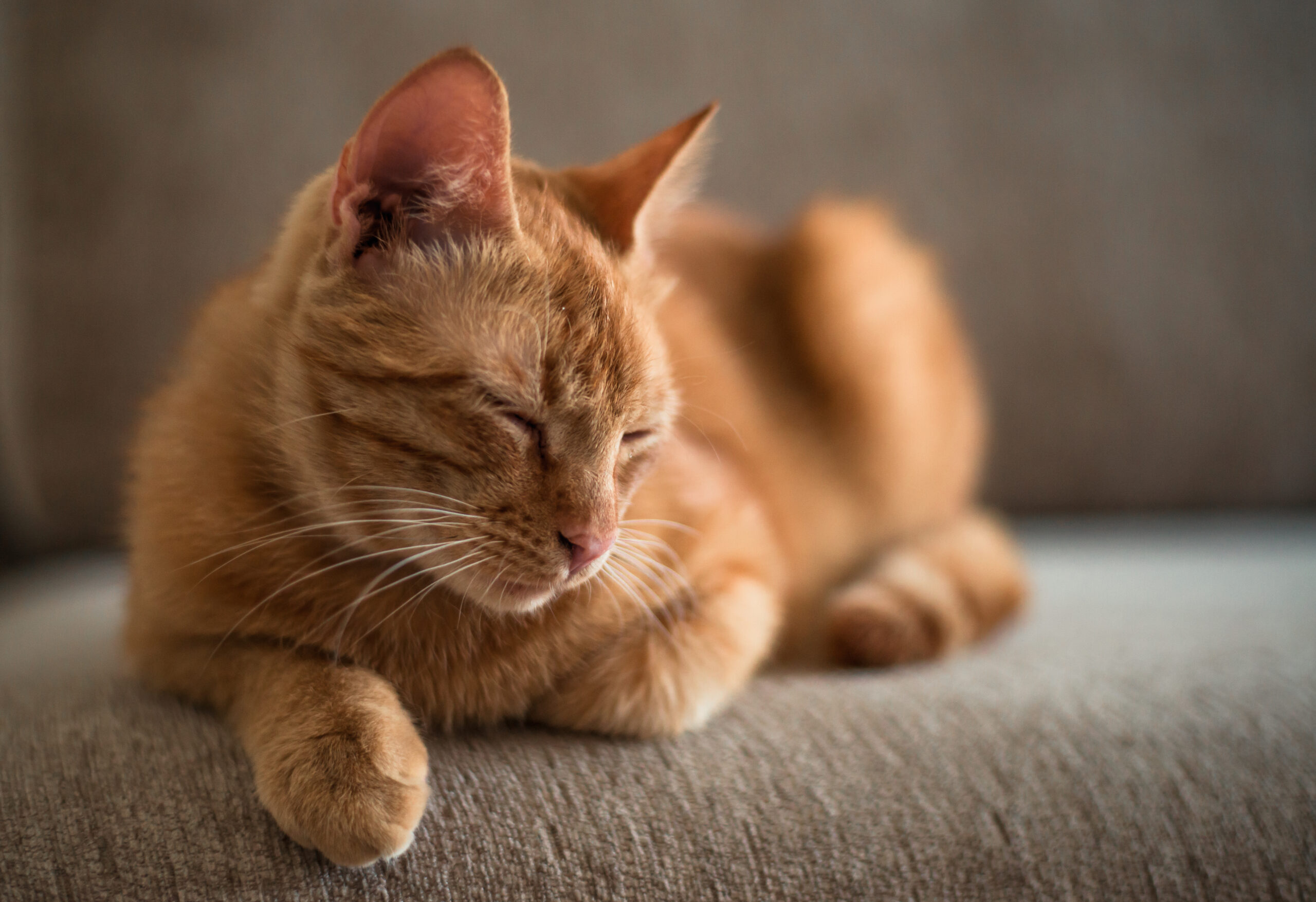
Your cat’s whiskers are more than a cute facial feature! They help your cat sense the world, move with confidence, and express how she’s feeling. From finding her way in the dark to judging whether she can squeeze through narrow spaces, whiskers are essential to her safety and comfort. Here’s what you need to know about cat whiskers.
What are whiskers and why are they important?
A cat’s whiskers are essential to her well-being. Technically called vibrissae, whiskers consist of a tough protein called keratin. Unlike regular hair, a cat’s whiskers are stiffer, thicker, and possess a root system embedded in the skin. Nerve receptors and blood-filled sacs in the follicles send signals to the brain whenever the cat moves her whiskers. This information helps cats better understand the world around them. Indeed, whiskers are crucial tools for navigation, communication and protection.
Facial whiskers appear above the cat’s eyes, on the chin and cheeks. But they also occur at the back of the cat’s front legs – these are called carpal whiskers and are helpful for hunting and climbing activities.
If a cat’s whiskers are relaxed and to the sides, she is likely feeling calm. Whiskers pushed forward can signal investigation, play or hunting. Whiskers pushed back can connote fear and stress.
“Cats are natural hunters and carnivores and use their whiskers to trigger quick reflexes when hunting,” says veterinarian Dr. Loni Ellsworth. “If a cat is hunting a mouse, and the mouse fights back, the cat can protect her face from injury by blinking, pulling back, etc. Whiskers help with sensory function. They detect the cat’s surroundings, even in the dark or in cases of blindness.”
Cat parent and pet sitter, Christina Brault, adds that felines need whiskers to help them judge distance and height. “I once had a curious kitty get in the broiler,” she says. “She burned all her whiskers off. For several months she couldn’t gauge the jumping distance from the floor to her window perch. That’s when I learned the true importance of whiskers. They grew back, but they were always short after that. However, she learned to climb and jump again. It took probably six or eight months for her to look like she had normal whiskers again.”
How to care for your cat’s whiskers
The best thing you can do for your cat’s whiskers is leave them alone. Don’t pull, pet, or trim her whiskers, as doing so can cause her anxiety. A veterinarian may trim a whisker if she determines a medical condition, such as an abscess, requires it. However, don’t attempt any whisker removal at home. If your cat needs assistance cleaning food off her whiskers, use a warm, damp cloth or cotton pad. For dried-on food, try a bit of coconut oil and gently wipe them clean.
Frequent or forceful contact can cause whisker fatigue, triggered by sensory overload or repeated physical touch. For example, when a cat’s whiskers sweep against the sides of her food and water bowls, it can potentially lead to whisker fatigue. Choose wide bowls or plates that will accommodate her whiskers.
Cats normally shed or break a small number of whiskers. “I have never seen a cat with any real issues following injury to their whiskers,” says Dr. Ellsworth. “The most common problem is when cats go too close to a flame; I’ve seen them singe the tips of their whiskers off. Kittens tend to play rough and will sometimes bite the ends of each other’s whiskers off.”
What your cat’s whiskers tell you about her health
Humidity, heat, and physical damage can temporarily change the appearance of your cat’s whiskers. They can also signal changes in her health, a few of which need veterinary attention:
- If your
- cat begins to lose her whiskers quickly, it could be a sign of stress, allergies, infections, or other health concerns such as feline acne or alopecia. Take her to the vet to determine the cause.
- According to Dr. Ellsworth, a 2023 study showed that cats with wavy whiskers are more likely to be infected with feline leukemia virus (FeLV). This disease can harm the immune system and damage hair follicles. This changes the appearance of a cat’s whiskers. “In the study, 89.3% of cats with wavy whiskers were infected with FeLV,” says Dr. Ellsworth. If your cat has wavy whiskers, you may want her tested for FeLV.
- If whisker strength or growth is an issue, your cat may need additional protein and essential fatty acids in her diet.
- Curling whiskers can occur with age.
Now that you’ve learned what you need to know about cat whiskers, you can appreciate just how important they are to your kitty’s daily life. By protecting and respecting her whiskers, you’re helping her stay comfortable, confident, and connected to the world around her.
What color are your cat’s whiskers?
Genetics, as with a cat’s coat, determines the color and thickness of her whiskers. Some cats have more than one whisker color. Thicker whiskers often lack melanin and are therefore white. Whiskers can also turn white or gray, or darken to black, over time.
Breed-related whisker features
Hairless cat breeds, including the Sphynx, grow few or no whiskers. Any whiskers they do grow often appear short. This can impact their ability to navigate in the dark and through narrow spaces.
Curly-coated breeds, such as the Cornish Rex and Devon Rex, have short, brittle whiskers. They may snap or break because of the breeds’ coat mutation. These cats can also grow wavy whiskers, which don’t necessarily indicate FeLV.
Post Views: 1
Sara Jordan-Heintz is a newspaper and magazine journalist. Her articles have appeared in Equine Wellness, Antique Trader, Farm Collector and Discover Vintage America, among others. She is a recipient of the Genevieve Mauck Stoufer Outstanding Young Iowa Journalists Award. Sara’s work is regularly published through the USA Today Network. She is the author of the book Going Hollywood: Midwesterners in Movieland.