
Check out our latest products


![[PETHROOM] Cat Nail Clipper Trimmer for Indoor Cats with Circular Cut Hole (2mm) | Premium Sturdy Stainless Steel Blade Cat Claw | Safe, Easy, Accurate, Quiet & Fast | Avoid Overcutting](https://m.media-amazon.com/images/I/6156hi88deL._AC_SL1298_.jpg)
![[PETHROOM] Professional Eye Comb for Pets | Stainless Steel Tear Stain Remover for Cats & Dogs | Gentle Round-Head Grooming Tool | Compact & Portable for Eye Gunk Removal](https://m.media-amazon.com/images/I/71+W758uwXL._SL1500_.jpg)
If you’ve ever watched your dog suddenly start making loud, honking sounds while standing stiffly with their head stretched back, you’ve likely witnessed reverse sneezing. While this can be scary for dog parents, understanding what’s happening can help you stay calm and know when to seek help.
What Is Reverse Sneezing?
Reverse sneezing, also called paroxysmal respiration, is a common breathing event in dogs. Unlike regular sneezing where air flows out through the nose, reverse sneezing pulls air rapidly inward while the opening to the windpipe closes. This creates the distinctive honking or snorting sound that worries many pet owners.
The episodes happen when something irritates the nasopharynx – the area at the back of your dog’s nose, above the roof of their mouth. This irritation triggers a reflex that causes the dramatic breathing pattern you see.
What Does It Look Like?
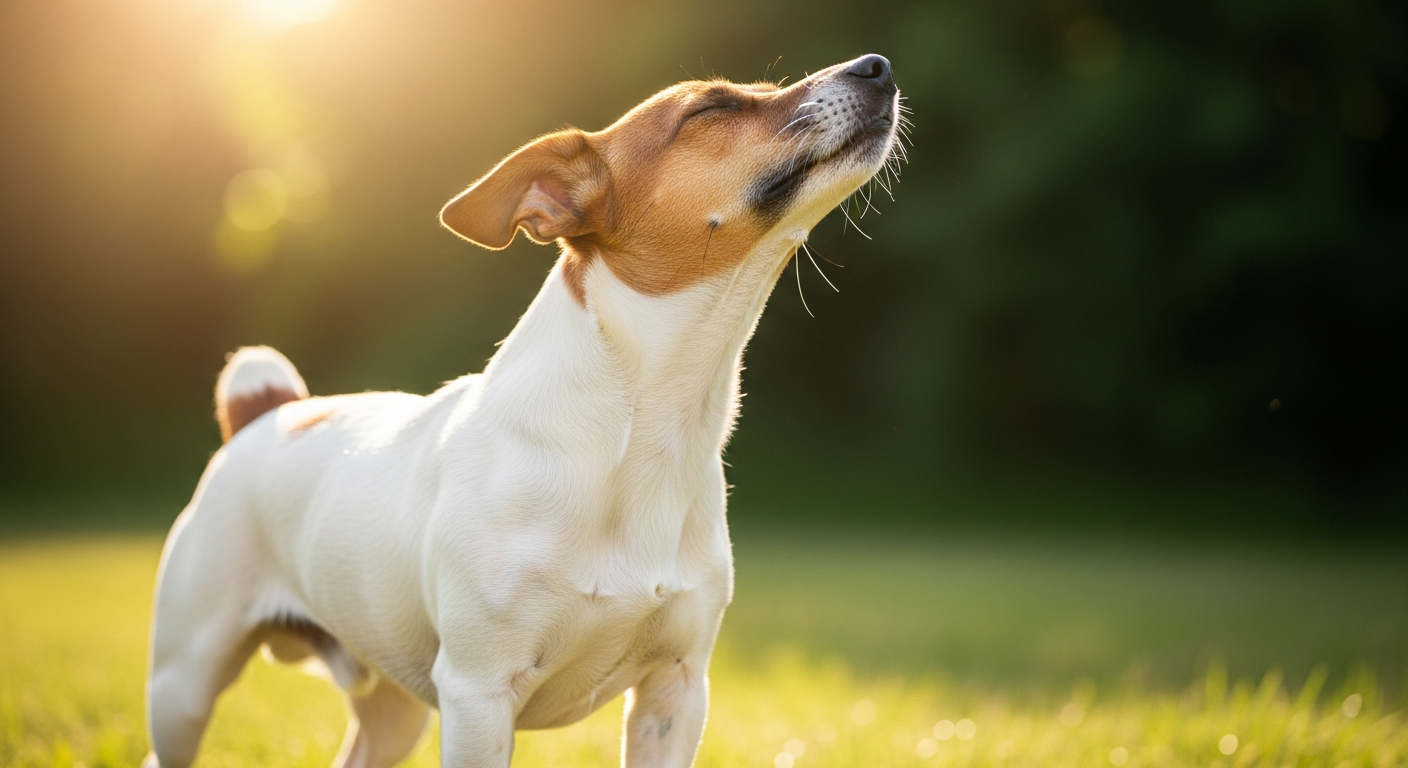
During a reverse sneezing episode, your dog will typically:
- Stand with their neck stretched out
- Tilt their head backward
- Point their elbows outward
- Flare their nostrils
- Keep their mouth closed with lips pulled back
- Make loud, rapid inhalations that sound like honking or snorting
Episodes can last anywhere from a few seconds to several minutes and may happen again at different times.
What Causes Reverse Sneezing?
Many things can trigger reverse sneezing. Common causes include:
- Dust, pollen, or other allergens
- Excitement or stress
- Pulling too hard on a leash
- Eating or drinking too quickly
- Foreign objects like grass or seeds
- Infections (viral, bacterial, or fungal)
- Nasal mites
- Masses or tumors
Smaller dogs (under 33 pounds) and flat-faced breeds like bulldogs and pugs tend to experience reverse sneezing more often. However, any dog of any age can have episodes.
How Can You Help?
Most reverse sneezing episodes are mild and stop on their own. However, you can try these gentle techniques to help shorten an episode:
- Gently massage your dog’s throat
- Hold their nostrils closed for a few seconds
- Blow lightly into their face to encourage swallowing
- Stay calm and comfort your dog with a soothing voice
Remember, your dog can sense your stress, so staying relaxed helps them feel better too.
When to See Your Veterinarian
While reverse sneezing is usually harmless, you should contact your veterinarian if:
- Episodes become frequent or severe
- Your dog seems distressed or has trouble breathing between episodes
- You notice other symptoms like discharge, coughing, or loss of appetite
- The episodes last longer than usual
For dogs with ongoing problems, your veterinarian might recommend allergy treatments, check for nasal mites, or perform additional tests to rule out other causes.
Reverse sneezing looks much worse than it actually is. Most dogs with this condition live completely normal, healthy lives. However, it’s always wise to discuss any new symptoms with your veterinarian to ensure your furry family member gets the best care possible.
Post Views: 1
Animal Wellness is North America’s top natural health and lifestyle magazine for dogs and cats, with a readership of over one million every year. AW features articles by some of the most renowned experts in the pet industry, with topics ranging from diet and health related issues, to articles on training, fitness and emotional well being.