
Check out our latest products


![[PETHROOM] Cat Nail Clipper Trimmer for Indoor Cats with Circular Cut Hole (2mm) | Premium Sturdy Stainless Steel Blade Cat Claw | Safe, Easy, Accurate, Quiet & Fast | Avoid Overcutting](https://m.media-amazon.com/images/I/6156hi88deL._AC_SL1298_.jpg)
![[PETHROOM] Professional Eye Comb for Pets | Stainless Steel Tear Stain Remover for Cats & Dogs | Gentle Round-Head Grooming Tool | Compact & Portable for Eye Gunk Removal](https://m.media-amazon.com/images/I/71+W758uwXL._SL1500_.jpg)
Learning that your furry friend might have osteosarcoma can feel overwhelming. This bone cancer is serious, but understanding what it is and what options are available can help you make the best decisions for your pet’s care and comfort.
What is Osteosarcoma?
Osteosarcoma is the most common type of bone cancer in dogs. It develops when abnormal cells in the bone grow out of control, destroying healthy bone and replacing it with cancerous tissue. This makes the affected bone weak and prone to breaking. Unfortunately, this cancer is very aggressive and often spreads to other parts of the body, especially the lungs.
Which Dogs Are at Risk?
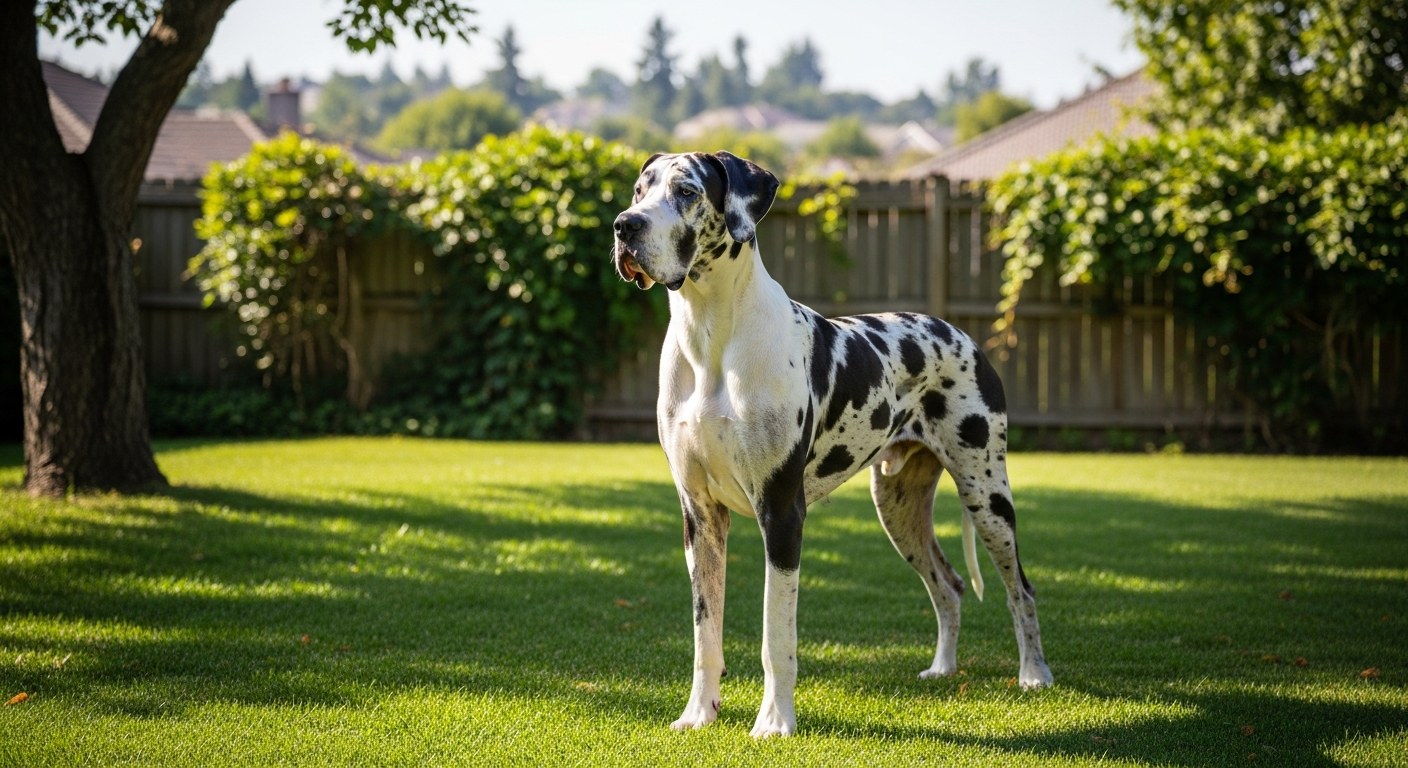
Large and giant breed dogs are most likely to develop osteosarcoma. Breeds like Golden Retrievers, Rottweilers, Great Danes, and St. Bernards face higher risks. The cancer typically affects older dogs around seven years old, but younger dogs can also develop it. Most cases occur in the long bones of the legs, though it can sometimes affect other bones like the ribs, jaw, or pelvis.
Warning Signs to Watch For
The most common sign of osteosarcoma is pain. Your dog might show this through:
- Limping or being reluctant to walk
- A firm, noticeable swelling on a leg
- Loss of muscle in the affected limb
- Changes in appetite or behavior due to pain
- Difficulty getting up or moving around
If you notice any of these signs, especially persistent limping that doesn’t improve, contact your veterinarian right away.
Diagnosis and Treatment
Your vet will likely take X-rays of the affected area and may recommend additional tests like blood work or chest X-rays to check if the cancer has spread. Sometimes a small tissue sample (biopsy) is needed to confirm the diagnosis.
While there’s no cure for osteosarcoma, treatment focuses on managing pain and maintaining your dog’s quality of life. The most effective approach usually combines:
Surgery: Often involves removing the affected limb (amputation) to eliminate the tumor and prevent painful fractures. Many dogs adapt remarkably well to life on three legs.
Chemotherapy: Given after surgery to help delay the cancer’s spread to other organs.
Pain management: Various pain control approaches can help keep your dog comfortable.
Looking Forward
The diagnosis can be scary, but many dogs live comfortably with treatment. Dogs receiving both surgery and chemotherapy typically survive about nine months, though individual cases vary. Your veterinarian may refer you to an oncology specialist who can discuss all available options.
Remember, you’re not alone in this journey. Work closely with your veterinary team to create the best care plan for your beloved companion. Always consult with your veterinarian for professional medical advice tailored to your dog’s specific situation.
Post Views: 12
Animal Wellness is North America’s top natural health and lifestyle magazine for dogs and cats, with a readership of over one million every year. AW features articles by some of the most renowned experts in the pet industry, with topics ranging from diet and health related issues, to articles on training, fitness and emotional well being.