

Check out our latest products


![[PETHROOM] Cat Nail Clipper Trimmer for Indoor Cats with Circular Cut Hole (2mm) | Premium Sturdy Stainless Steel Blade Cat Claw | Safe, Easy, Accurate, Quiet & Fast | Avoid Overcutting](https://m.media-amazon.com/images/I/6156hi88deL._AC_SL1298_.jpg)
![[PETHROOM] Professional Eye Comb for Pets | Stainless Steel Tear Stain Remover for Cats & Dogs | Gentle Round-Head Grooming Tool | Compact & Portable for Eye Gunk Removal](https://m.media-amazon.com/images/I/71+W758uwXL._SL1500_.jpg)
You play an important role in monitoring your canine companion’s health. Performing a simple weekly dog health check-up at home can help you spot potential problems early, before they become serious. This routine only takes about 10-15 minutes and can make a real difference in your dog’s wellbeing.
Start with the Eyes and Ears
Begin by looking at your dog’s eyes. They should be bright, clear, and free of discharge. Check for redness, cloudiness, or excessive tearing. Next, examine the ears by gently lifting each ear flap. The inner ear should be pink and clean, without redness, dark buildup, or foul odor. If your dog shakes their head frequently or scratches at their ears, this could signal a problem.
Check the Mouth and Teeth
Gently lift your dog’s lips to examine the teeth and gums. The gums should be pink (unless your dog naturally has darker pigmentation) and not red or swollen. While you’re looking, take note of any bad breath, which can be an early sign of dental disease. Remember that even young dogs can develop dental problems, and regular dental care at home between veterinary cleanings is essential for preventing painful mouth issues.
Examine the Skin and Coat
Run your hands thoroughly over your dog’s entire body. You’re feeling for any lumps, bumps, or sensitive areas. Part the fur to look at the skin underneath, checking for redness, flakes, sores, or parasites like fleas and ticks. This is also a good time to check for any unusual hair loss or changes in coat quality.
Look at the Paws and Nails
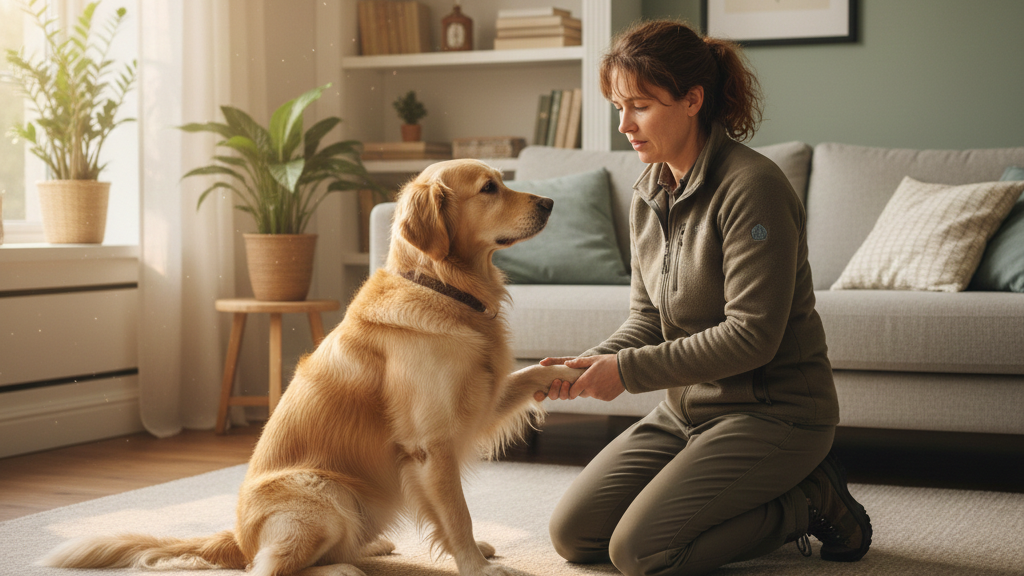
Examine each paw carefully, checking between the toes and pads for cuts, cracks, or foreign objects. The paw pads should be smooth without excessive dryness or injuries. Check nail length too—nails that are too long can cause discomfort and affect how your dog walks.
Observe Movement and Behavior
Watch how your dog moves during your weekly play time or walks. Notice any limping, stiffness, or reluctance to jump or climb stairs. Also pay attention to changes in eating habits, drinking, bathroom habits, or energy levels.
Keep Notes
Consider keeping a simple journal of your weekly findings. This helps you track changes over time and provides valuable information to share with your veterinarian during regular visits.
If you notice anything unusual during your weekly dog health check-up at home, don’t hesitate to contact your veterinarian. Early detection of health issues often leads to better outcomes and can prevent unnecessary discomfort for your canine family member.
Being proactive and vigilant about your dog’s health is always a good idea. You know your dog best, so don’t delay visiting the vet if anything seems off at any time. Remember, home check-ups don’t replace regular veterinary visits—they simply help you keep track of your dog’s well-being. Always consult your veterinarian about any health concerns and follow the recommended examination schedule.
Post Views: 23
Animal Wellness is North America’s top natural health and lifestyle magazine for dogs and cats, with a readership of over one million every year. AW features articles by some of the most renowned experts in the pet industry, with topics ranging from diet and health related issues, to articles on training, fitness and emotional well being.