
Check out our latest products


![[PETHROOM] Cat Nail Clipper Trimmer for Indoor Cats with Circular Cut Hole (2mm) | Premium Sturdy Stainless Steel Blade Cat Claw | Safe, Easy, Accurate, Quiet & Fast | Avoid Overcutting](https://m.media-amazon.com/images/I/6156hi88deL._AC_SL1298_.jpg)
![[PETHROOM] Professional Eye Comb for Pets | Stainless Steel Tear Stain Remover for Cats & Dogs | Gentle Round-Head Grooming Tool | Compact & Portable for Eye Gunk Removal](https://m.media-amazon.com/images/I/71+W758uwXL._SL1500_.jpg)
.breed-comparison {
max-width: 720px;
margin: 2em auto;
border-collapse: collapse;
width: 100%;
font-size: 0.95em;
}
.breed-comparison th {
background: #1a2a3a;
color: #fff;
padding: 12px 16px;
text-align: left;
}
.breed-comparison td {
padding: 10px 16px;
border-bottom: 1px solid #e0e0e0;
}
.breed-comparison tr:nth-child(even) {
background: #f5f7fa;
}
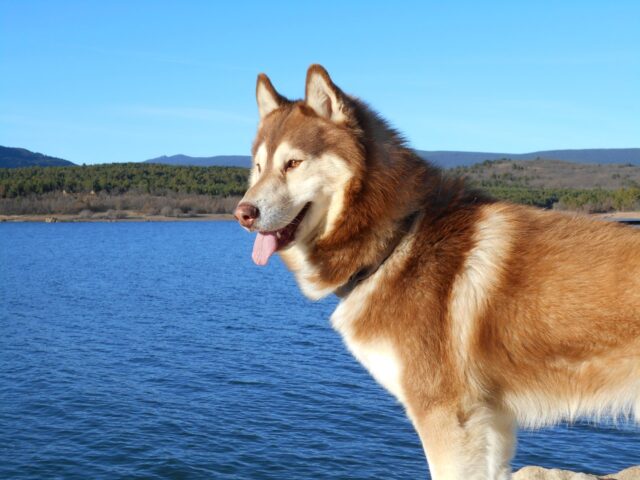
Short answer: yes, huskies can handle cold weather. They’re one of the most cold-tolerant dog breeds on the planet. A healthy adult Siberian Husky can comfortably withstand temperatures well below zero, and many of them actually prefer it that way.
But “cold-tolerant” doesn’t mean “cold-proof.” There’s a real difference between a husky romping through fresh snow at 10°F and a husky left outside overnight at -40°F with no shelter. Knowing where that line falls can keep your dog safe, healthy, and happy all winter.
Do Huskies Like the Cold?
Like is probably an understatement. Most huskies absolutely love cold weather. If you’ve ever tried to drag a husky inside during a snowstorm, you already know this. They’ll flop down in a snowbank and look at you like you’re the crazy one.
This makes sense when you look at where they came from. The Chukchi people of northeastern Siberia developed the breed over thousands of years to pull sleds across some of the coldest terrain on Earth. Temperatures in that region regularly hit -60°F. Huskies weren’t just surviving those conditions. They were working in them, hauling loads for miles across frozen tundra.
So when your husky refuses to come inside during a January cold snap, they’re not being stubborn (well, maybe a little). They’re doing exactly what their DNA tells them to do.
How Cold Can Huskies Tolerate?
Here are the numbers. A healthy, well-fed adult Siberian Husky with a full coat can tolerate temperatures as low as -50°F (-46°C). Some experienced sled dogs in Alaska and northern Canada regularly work in conditions close to that threshold.
That said, “tolerate” and “thrive” are two different things. Here’s a general breakdown:
Husky Cold Weather Temperature Guide
32°F to -10°F
Safe zone. Your husky is in their element. No special precautions needed for healthy adults.
-10°F to -20°F
Still comfortable, but limit sessions to 2-3 hours. Make sure shelter is available.
-20°F to -35°F
Caution. Reduce outdoor time. Watch for early signs of discomfort. Provide warm, insulated shelter.
-35°F to -50°F
Dangerous. Short outings only. Monitor closely for frostbite on ears, nose, and paw pads.
Below -50°F
Extreme risk. Even huskies can suffer hypothermia and frostbite. Keep your dog indoors.
One thing to keep in mind: wind chill matters just as much as the number on the thermometer. A calm -15°F day feels very different from a windy -15°F day. Wind strips heat away from the body much faster, and it can push even a husky past their comfort zone.
The Husky Double Coat: Their Built-In Winter Jacket
The secret behind a husky’s cold tolerance is their double coat. It’s one of the most effective insulation systems in the animal kingdom, and it works in a way that might surprise you.
The undercoat is the real workhorse. It’s a dense, soft layer of short fur that sits close to the skin. This layer traps warm air against the body, creating an insulating barrier. Think of it like a down jacket, millions of tiny air pockets holding heat in.
The outer coat (or guard coat) is made up of longer, coarser hairs. Its job is to repel water, block wind, and protect the undercoat from getting wet or matted. Snow actually sits on top of the guard hairs without melting through to the skin. That’s why you’ll see huskies covered in a layer of snow that doesn’t seem to bother them at all.
Together, these two layers create a system that keeps cold air out and warm air in. It’s remarkably effective. A husky’s skin temperature stays relatively warm even when the air temperature drops well below zero.
This is exactly why you should never shave a husky’s coat, even in summer. The double coat also protects against sunburn and overheating by reflecting UV rays and allowing air circulation. Shaving it disrupts the entire system and can actually make your husky less comfortable in both hot and cold weather. A good undercoat brush designed for double-coated breeds is a much better approach for managing shedding.
Signs Your Husky Is Too Cold
Even with all that built-in protection, huskies can get too cold. Here’s what to watch for:
Early warning signs:
- Shivering that doesn’t stop after a few minutes
- Lifting paws off the ground repeatedly
- Whining, pacing, or seeming anxious
- Tucking the tail between the legs
- Trying to dig or burrow into snow (to escape wind)
More serious signs (get them warm immediately):
- Pale or blue-tinged gums
- Cold ears and extremities
- Stiff, slow movement
- Lethargy or disorientation
- Ice crystals forming on the fur around the nose or ears
If you notice any of the serious signs, bring your husky inside right away. Wrap them in warm (not hot) blankets and contact your vet. Hypothermia in dogs can turn dangerous quickly.
Something else to remember: dogs won’t always tell you they’re cold until it’s already a problem. They can be stoic about discomfort, especially breeds like huskies that are naturally tough. So don’t wait for obvious distress signals. Check on them regularly when it’s really frigid out.
Husky Puppies vs. Adults in Cold Weather
There’s a big difference between an adult husky’s cold tolerance and a puppy’s. And it all comes down to the coat.
Husky puppies are born with a single layer of soft, fluffy fur. It’s cute, sure, but it doesn’t insulate nearly as well as a fully developed double coat. That adult double coat doesn’t finish growing in until somewhere between 10 and 14 months of age. Until then, puppies are significantly more vulnerable to cold.
Here’s a rough guide by age:
- Under 8 weeks: Keep them indoors when temps drop below 45°F. Their temperature regulation is still developing.
- 8 weeks to 4 months: Short outdoor play sessions are fine above 20°F, but bring them inside after 15-20 minutes in freezing conditions.
- 4 to 10 months: Gradually increasing cold tolerance as the undercoat fills in. Still needs shorter sessions than an adult, especially below 0°F.
- 10 to 14 months: Most huskies have their full adult coat by now and can handle cold much like an adult.
Senior huskies (roughly 8 years and older) also lose some cold tolerance. Their metabolism slows down, they may have joint pain that worsens in cold weather, and their coat may thin. Treat senior huskies more like puppies for cold exposure.
Indoor Huskies vs. Outdoor Huskies
Here’s something that trips up a lot of people: not all huskies handle cold equally, even within the same breed.
A husky that lives indoors year-round in a climate-controlled house has a thinner undercoat than a husky that lives primarily outdoors. The body adapts to its environment. Indoor huskies still blow their coat twice a year, but the undercoat never gets quite as dense as it would in a dog who’s acclimated to outdoor temperatures.
What this means practically: if your husky lives inside your heated home and you suddenly take them out for a long hike in -20°F weather, don’t assume they can handle it the same way a kennel-raised sled dog in Fairbanks would. They’ll still do better than most breeds, but their tolerance ceiling is lower.
If you’re thinking about getting a husky and wondering about the full financial picture, including what cold weather gear and setup might cost, here’s a helpful breakdown of husky puppy costs by U.S. region.
Cold Weather Safety Tips for Husky Owners
Even though huskies are built for cold, responsible ownership means not just trusting the breed and walking away. Here’s how to keep them safe:
Shelter
If your husky spends time outdoors, they need an insulated, wind-proof shelter. A good dog house for cold weather should be just big enough for them to stand up, turn around, and lie down. Too big and their body heat won’t warm the space. Straw (not blankets, which hold moisture) makes the best bedding. The entrance should face away from prevailing winds.
Water
Dehydration in winter is more common than you’d think. Snow is not an adequate water source. It takes a lot of energy to melt snow with body heat, which actually cools your dog down. Provide fresh, unfrozen water at all times. A heated water bowl is a worthwhile investment if your husky is outdoors frequently.
Nutrition
Huskies burn more calories in cold weather to maintain body temperature. If your dog is active outdoors during winter, they may need 10-30% more food than in warmer months. Talk to your vet about adjusting portions. High-protein, high-fat diets are typically best for cold-weather energy needs. Check out essentials every husky owner should have for more recommendations.
Paw Care
Ice, salt, and chemical de-icers can crack and irritate paw pads. Musher’s wax or dog booties help protect against this. After walks on treated surfaces, rinse your husky’s paws with warm water to remove any chemicals. Check between the toes for ice balls, which can form and cause pain.
Watch the Wind Chill
A -10°F day with 20 mph winds has an effective temperature closer to -35°F. Always factor in wind chill when deciding how long your husky can safely stay outside.
When It’s Too Cold Even for a Husky
Every husky owner needs to accept this: there IS a “too cold” for your dog. It just happens to be colder than for most other breeds.
Below -50°F, bring them inside. Full stop. At that point, even a thick double coat can’t prevent heat loss fast enough to keep core body temperature stable. Exposed areas like ear tips, the nose, and paw pads are at real risk of frostbite.
Other factors that lower the threshold:
- Wet fur: A wet husky loses body heat much faster. If your dog gets soaked, bring them in and dry them off.
- Wind: Already mentioned, but it’s worth repeating. Wind is the biggest cold-weather variable.
- Inactivity: A husky that’s running and playing generates a lot of body heat. One that’s just lying outside generates much less. If your dog isn’t moving around, they’ll get cold faster.
- Health conditions: Hypothyroidism, diabetes, heart disease, or any illness that affects circulation or metabolism lowers cold tolerance.
If temperatures get extreme, winter jackets for dogs can provide an extra layer even for cold-hardy breeds, especially for senior or sick huskies.
Huskies vs. Other Cold-Weather Breeds
The Siberian Husky isn’t the only breed built for frigid conditions. How do they stack up against other cold-weather champions?
| Breed | Cold Tolerance | Min. Safe Temp | Coat Type | Origin |
|---|---|---|---|---|
| Siberian Husky | Excellent | -50°F | Dense double coat | Siberia |
| Alaskan Malamute | Excellent | -50°F | Thick double coat | Alaska |
| Samoyed | Excellent | -40°F | Fluffy double coat | Siberia |
| Bernese Mountain Dog | Very Good | -10°F | Long double coat | Switzerland |
| German Shepherd | Good | 20°F | Medium double coat | Germany |
| Akita | Very Good | -15°F | Dense double coat | Japan |
| Saint Bernard | Very Good | -5°F | Thick double coat | Switzerland |
Huskies and Malamutes sit at the top of the cold-tolerance chart, which makes sense given their shared Arctic heritage. The Malamute is larger and heavier, which gives them slightly more bulk for heat retention, but huskies are lighter and more agile, which made them better long-distance sled dogs.
German Shepherds, by comparison, can handle cold weather reasonably well but top out around 20°F before they need extra precautions in cold weather. And some breeds, like Chihuahuas and Greyhounds, have virtually no tolerance for cold climates at all.
Want to know which fluffy breeds genuinely thrive in cold weather? Take a look at these furry breeds that love cold weather days.
Winter Activities Your Husky Will Love
Cold weather isn’t something to endure with a husky. It’s an opportunity. These dogs come alive when the temperature drops, and channeling that energy into winter activities is one of the best things you can do for them.
Skijoring is basically cross-country skiing while your husky pulls you. It’s a real sport with competitions and everything, but even casual backyard versions are a blast. Your husky gets to pull (which they live for), and you get a workout.
Snowshoeing and winter hiking are perfect for huskies. They can handle deep snow that would exhaust most dogs, and the cold keeps them from overheating on long treks.
Sled pulling, even with a small sled or cart, taps directly into the husky’s bred-in instincts. You don’t need a professional setup. A simple harness and a lightweight sled will make your husky ridiculously happy.
Or just let them play in the snow. Seriously. Many huskies will entertain themselves for hours, digging, rolling, catching snowflakes. Sometimes the simplest activities are the most satisfying. If you notice your dog’s behavior changes during cold weather, more outdoor activity is often exactly what they need.
Frequently Asked Questions
Do huskies like the cold?
Yes. Siberian Huskies were bred in the Arctic to pull sleds across frozen terrain. Most huskies genuinely enjoy cold weather and will happily nap in the snow. Their double coat, compact ears, and furry paw pads are all designed for sub-zero conditions.
How cold can a husky handle?
A healthy adult husky can handle temperatures as low as -50°F (-46°C) for limited periods with proper shelter. Between 32°F and -20°F is their sweet spot. Below -50°F, even huskies are at serious risk of hypothermia and frostbite.
Can husky puppies go outside in winter?
Yes, but with limits. Puppies don’t develop their full double coat until 10-14 months of age. Young puppies under 8 weeks should stay inside when it’s below 45°F. Older puppies can handle moderate cold in short sessions.
Should I put a coat on my husky in winter?
Healthy adult huskies with full coats typically don’t need jackets. But senior huskies, puppies, sick dogs, or huskies with thin coats from indoor living may benefit from an extra layer during extremely cold outings.
Can huskies sleep outside in the snow?
Huskies can sleep outside in cold weather, and some prefer it. They curl up with their tail over their nose to conserve heat. But they still need access to a dry, insulated shelter. Most vets recommend bringing them inside when temps drop below -20°F, especially overnight.