

Check out our latest products


![[PETHROOM] Cat Nail Clipper Trimmer for Indoor Cats with Circular Cut Hole (2mm) | Premium Sturdy Stainless Steel Blade Cat Claw | Safe, Easy, Accurate, Quiet & Fast | Avoid Overcutting](https://m.media-amazon.com/images/I/6156hi88deL._AC_SL1298_.jpg)
![[PETHROOM] Professional Eye Comb for Pets | Stainless Steel Tear Stain Remover for Cats & Dogs | Gentle Round-Head Grooming Tool | Compact & Portable for Eye Gunk Removal](https://m.media-amazon.com/images/I/71+W758uwXL._SL1500_.jpg)
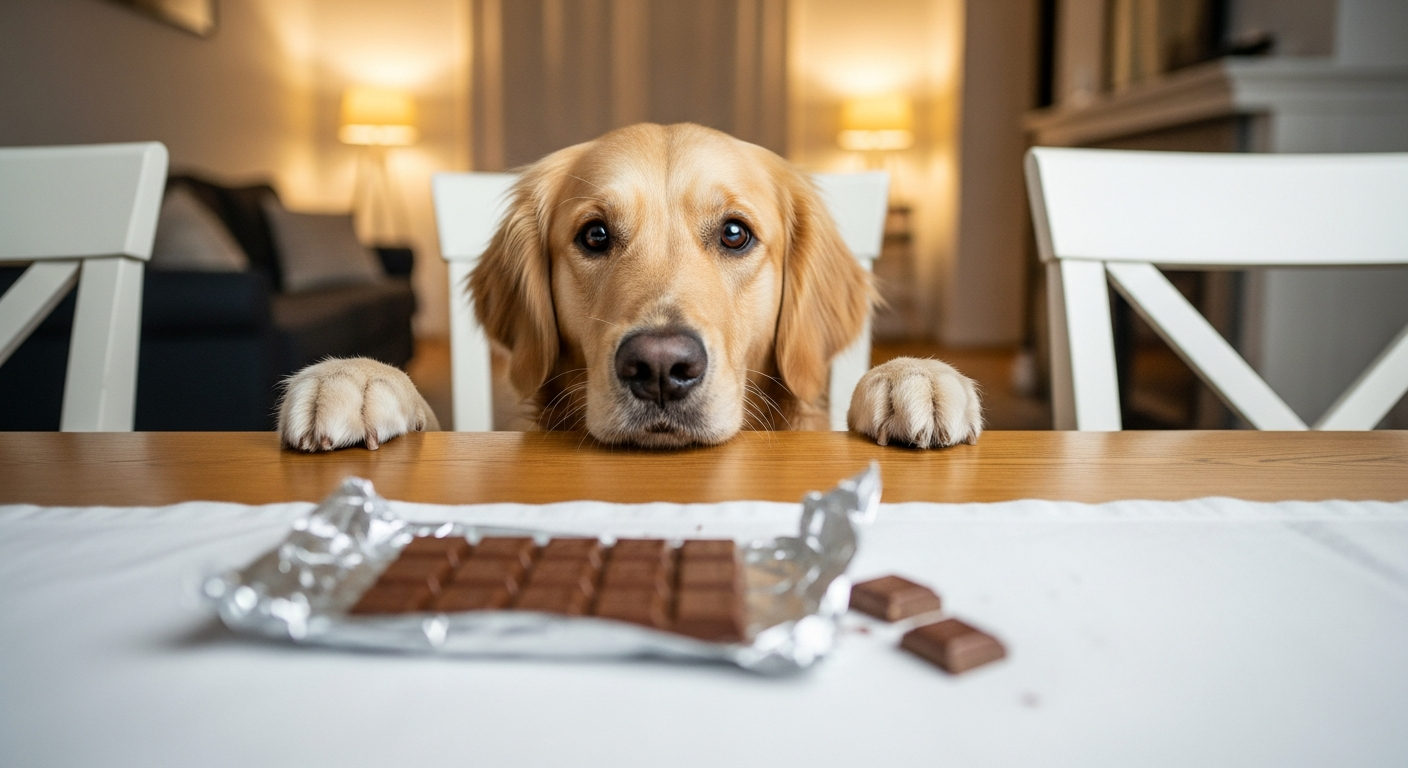
Chocolate is dangerous for dogs. But do you know why? Understanding chocolate toxicity can help you keep your furry friend safe and know what to do in an emergency.
Why Chocolate is Toxic to Dogs
Chocolate contains two harmful substances called caffeine and theobromine. These are called methylxanthines. While humans can break down these chemicals easily, dogs cannot. When dogs eat chocolate, these toxins build up in their system and cause serious health problems.
These chemicals mainly affect your dog’s nervous system and heart. They also act like diuretics, which means they make your dog urinate more and can lead to dehydration quickly.
Not All Chocolate is Equal
The darker the chocolate, the more dangerous it is for your dog. Here’s the risk level from highest to lowest:
- Cocoa powder (most dangerous)
- Unsweetened baking chocolate
- Dark chocolate
- Milk chocolate (least dangerous, but still harmful)
To put this in perspective, just 0.1 ounces of baking chocolate per pound of your dog’s weight can be deadly. For milk chocolate, it takes about 1 ounce per pound to be fatal. This means even small amounts can be dangerous, especially for smaller dogs.
Warning Signs to Watch For
If your dog eats chocolate, symptoms usually appear within 2-12 hours. These signs can last 12-36 hours or longer in severe cases. Watch for:
- Vomiting and diarrhea
- Increased thirst and urination
- Restlessness and hyperactivity
- Fast or irregular heartbeat
- Tremors or shaking
- Difficulty coordinating movements
- Seizures
- Fever
In severe cases, dogs may collapse or fall into a coma.
What to Do If Your Dog Eats Chocolate
Act fast! Contact your veterinarian or an emergency animal hospital immediately. You can also call these 24/7 poison control hotlines:
- Call Pet Poison Helpline
- Call ASPCA Animal Poison Control Center
Be ready to tell them:
- How much chocolate your dog ate
- What type of chocolate it was
- When they ate it
- Your dog’s weight
Don’t try to make your dog vomit unless a veterinary professional tells you to. Sometimes this can make things worse.
Treatment and Recovery
Treatment depends on how much chocolate your dog ate and their symptoms. Your vet might:
- Make your dog vomit safely
- Give activated charcoal to absorb toxins
- Provide IV fluids
- Give medications to control heart rhythm, tremors, or seizures
- Monitor your dog in the hospital
The good news is that dogs who get quick treatment usually recover well. However, dogs with severe symptoms like seizures have a more serious outlook.
Keep all chocolate products in secure cabinets or containers where your dog can’t reach them. Remember that chocolate chips, cocoa powder, and baking chocolate are especially dangerous.