
Check out our latest products


![[PETHROOM] Cat Nail Clipper Trimmer for Indoor Cats with Circular Cut Hole (2mm) | Premium Sturdy Stainless Steel Blade Cat Claw | Safe, Easy, Accurate, Quiet & Fast | Avoid Overcutting](https://m.media-amazon.com/images/I/6156hi88deL._AC_SL1298_.jpg)
![[PETHROOM] Professional Eye Comb for Pets | Stainless Steel Tear Stain Remover for Cats & Dogs | Gentle Round-Head Grooming Tool | Compact & Portable for Eye Gunk Removal](https://m.media-amazon.com/images/I/71+W758uwXL._SL1500_.jpg)
Find out why most adult cats are lactose intolerant, how milk affects their digestion, and healthier alternatives you can offer instead.
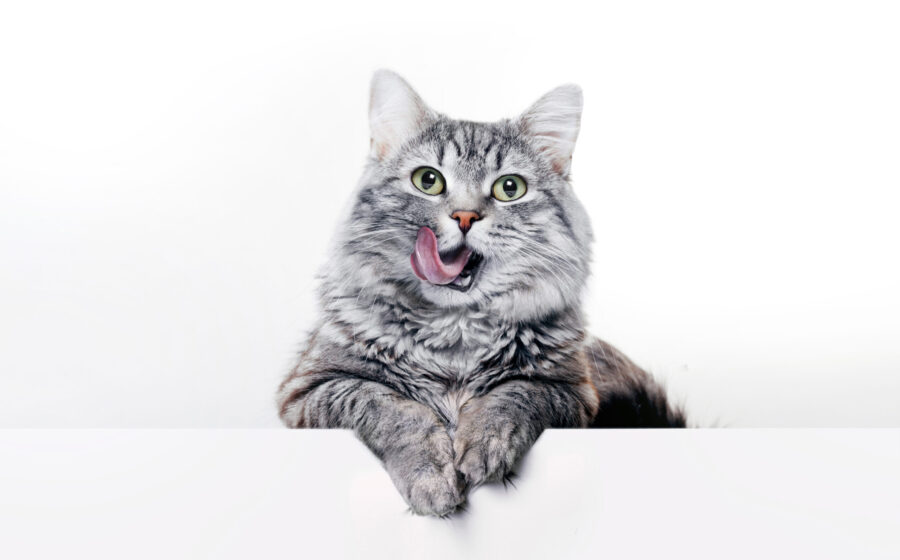
Can cats drink milk? Most kitties love it, and in the past, people regarded milk as a traditional food for housecats. But it’s not really a good idea. In fact, veterinarians and other feline experts don’t encourage feeding milk to cats. Let’s find out why.
Don’t kittens need milk?
Kittens depend on milk — but only from mother cats. By the time they are four to ten weeks old, they begin to mature and wean off their mothers’ milk. This is when their bodies stop producing an enzyme called lactase. This enzyme breaks down the sugars in a mother cat’s milk. It helps the kitten digest the milk properly.”
“At around six months of age, a cat’s ability to produce lactase will be at adult levels, which are significantly lower than kitten levels,” says veterinarian Dr. Patrick Mahaney.
As the lactase disappears from a growing cat’s system, so does his ability to digest milk. Most kittens slowly become lactose intolerant as they mature into adult cats. However, Dr. Mahaney adds that “not all cats are lactose intolerant. Each cat’s ability to digest lactose is different.”
Why do cats love milk so much?
So why do cats drink milk even when their digestive systems may not handle it well? It’s simple – it’s fresh and cold, and they like the taste, according to the Cat Fanciers’ Association.
Compare it to children who love candy, and given the opportunity, will happily eat as much as they can. Cats are similar when it comes to milk. If you give your kitty a saucerful, he’ll lap it up — even if it’s not good for him.
What makes milk bad for cats?
In most cases, a tiny bit of milk for a treat (i.e. the occasional teaspoon) shouldn’t do your cat any harm, but don’t make it a habit. The milk we drink doesn’t suit cats.
“The minute milk is pasteurized, it changes the protein,” says veterinarian Dr. Deva Khalsa. “When it is homogenized, the particles leak through the gut wall, causing inflammation in a cat’s body.”
Too much milk can cause diarrhea, gas, and other digestive issues. The ASPCA warns that cheese and ice cream can do the same if cats overindulge.
Can your cat really do without milk?
The answer is yes. As much as your cat may love milk, he doesn’t need it in his diet. In fact, it really holds no nutritional benefits for him. Once a cat weans off his mother’s milk and starts eating solid food, all he really needs to drink is water.
Can cats drink milk? Most veterinarians agree that giving milk to cats causes more health issues than it does any good. Your cat may prefer milk over water, but water is the best and most essential form of hydration.
Adding a bit of liquid from a tin of salmon or other water-packed tinned fish to his water bowl will encourage him to drink more – and may even curb his passion for milk!
Goat’s milk can make a healthy alternative
If you still can’t resist sharing some milk with your cat, Dr. Mahaney recommends switching to products that are easier on a cat’s sensitive digestive system.
“I have had success with my feline patients consuming goat milk-based products that are either dehydrated or in fresh or frozen liquid formats,” he says. “Just remember that when you are adding milk, you could be adding excess calories to your cat’s diet. So make sure to remove a commensurate portion of food to account for the calories from the milk.”
The same can apply to cheese. Most cats digest goat cheese more easily than cheese made from cow’s milk.
As the lactase disappears from a growing cat’s system, so does his ability to digest milk.
“When milk is homogenized, the particles leak through the gut wall, causing inflammation in a cat’s body.”
Post Views: 37
Nadia Ali is a Freelance Writer from London, who currently resides in the Caribbean. Cici her adopted shelter cat serves as her inspiration to write about beloved pets. You can follow Nadia on Twitter at @NadiaAwriter