

Check out our latest products


![[PETHROOM] Cat Nail Clipper Trimmer for Indoor Cats with Circular Cut Hole (2mm) | Premium Sturdy Stainless Steel Blade Cat Claw | Safe, Easy, Accurate, Quiet & Fast | Avoid Overcutting](https://m.media-amazon.com/images/I/6156hi88deL._AC_SL1298_.jpg)
![[PETHROOM] Professional Eye Comb for Pets | Stainless Steel Tear Stain Remover for Cats & Dogs | Gentle Round-Head Grooming Tool | Compact & Portable for Eye Gunk Removal](https://m.media-amazon.com/images/I/71+W758uwXL._SL1500_.jpg)
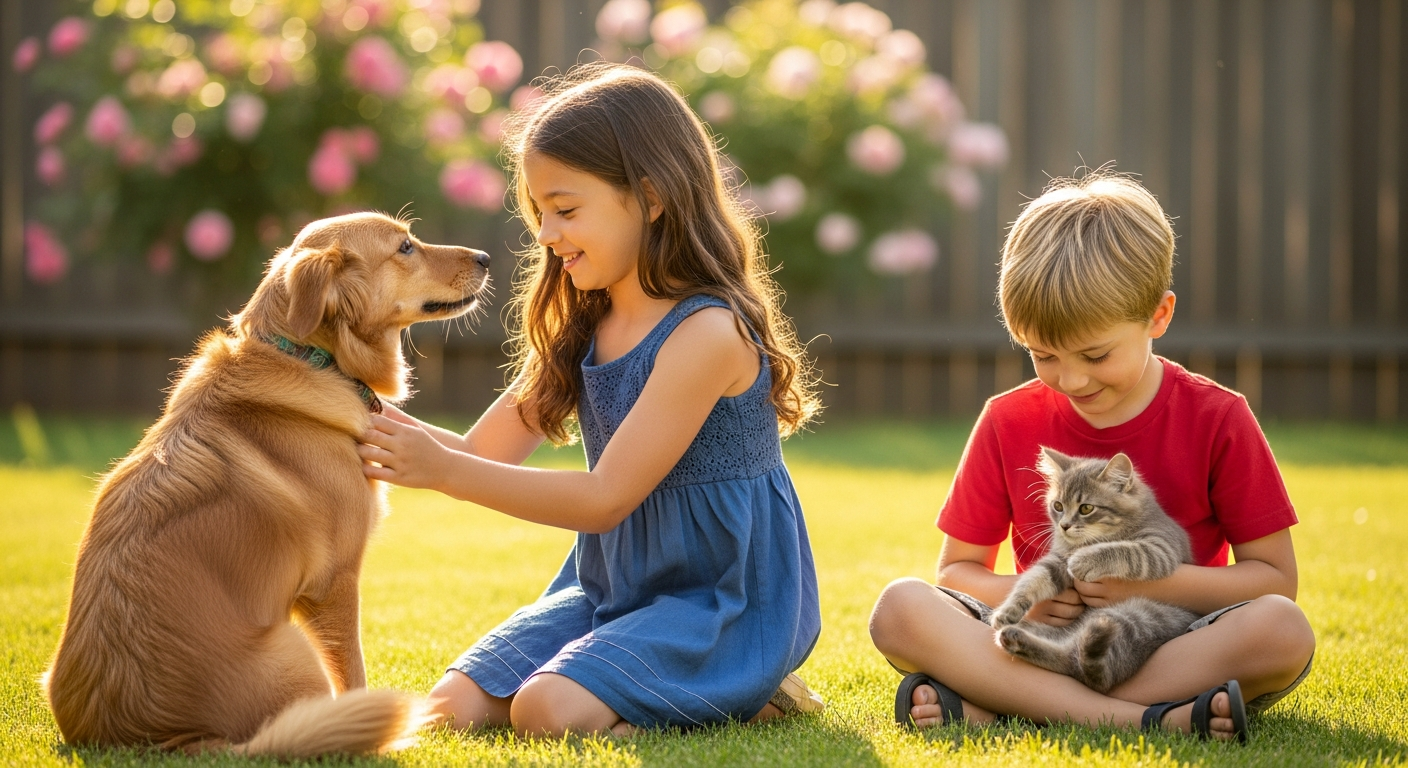
On this Children’s Day, let’s take some time to reflect on and improve our perspectives about nurturing positive relationships between kids and pets. Having pets and children in the same home can create wonderful memories and teach kids important life lessons. However, it’s essential to understand how to keep both your children and your furry family members safe and happy together.
Starting Off Right
When introducing a new pet to a home with children, or bringing a baby into a home with pets, take things slowly. Animals need time to adjust to changes in their environment. Dogs and cats can feel stressed when their routine changes, which might affect their behavior.
If you’re expecting a baby and already have pets, start preparing them early. Let your dog or cat get used to baby sounds, smells, and equipment before the little one arrives. This helps reduce stress and makes the transition smoother for everyone.
Teaching Children Pet Safety
Children need to learn proper ways to interact with animals. Young kids don’t always understand that pets have feelings and can get hurt or scared. Teach your children these important rules:
- Always approach pets calmly and quietly
- Let the animal sniff your hand before petting
- Pet gently on the back or chest, avoiding the face and tail
- Never pull ears, tails, or fur
- Don’t bother animals while they’re eating, sleeping, or hiding
- Never pick up cats or small dogs without adult help
Recognizing Warning Signs
Both dogs and cats show warning signs when they’re uncomfortable or stressed. Watch for these signals:
In dogs: growling, showing teeth, raised hackles, stiff body posture, or backing away. In cats: hissing, flattened ears, arched back, swishing tail, or trying to hide.
When you see these signs, calmly separate your child and pet. Don’t punish the animal for giving warnings – they’re trying to communicate their feelings.
Supervision is Key
Never leave young children alone with pets, even if they get along well. Children under 10 should always have adult supervision when interacting with animals. Even the gentlest pet can react unexpectedly if surprised or accidentally hurt.
Health Benefits and Responsibilities
Growing up with pets can boost children’s immune systems and teach them responsibility. Kids learn empathy, compassion, and how to care for another living being. However, make sure children wash their hands after handling pets and keep up with regular veterinary care.
When to Seek Help
Remember, every animal is different. If your pet shows any signs of aggressive behavior toward children, contact your veterinarian immediately. Sometimes medical issues cause behavior changes. Your vet can examine your pet and recommend the right course of action.