
Check out our latest products


![[PETHROOM] Cat Nail Clipper Trimmer for Indoor Cats with Circular Cut Hole (2mm) | Premium Sturdy Stainless Steel Blade Cat Claw | Safe, Easy, Accurate, Quiet & Fast | Avoid Overcutting](https://m.media-amazon.com/images/I/6156hi88deL._AC_SL1298_.jpg)
![[PETHROOM] Professional Eye Comb for Pets | Stainless Steel Tear Stain Remover for Cats & Dogs | Gentle Round-Head Grooming Tool | Compact & Portable for Eye Gunk Removal](https://m.media-amazon.com/images/I/71+W758uwXL._SL1500_.jpg)
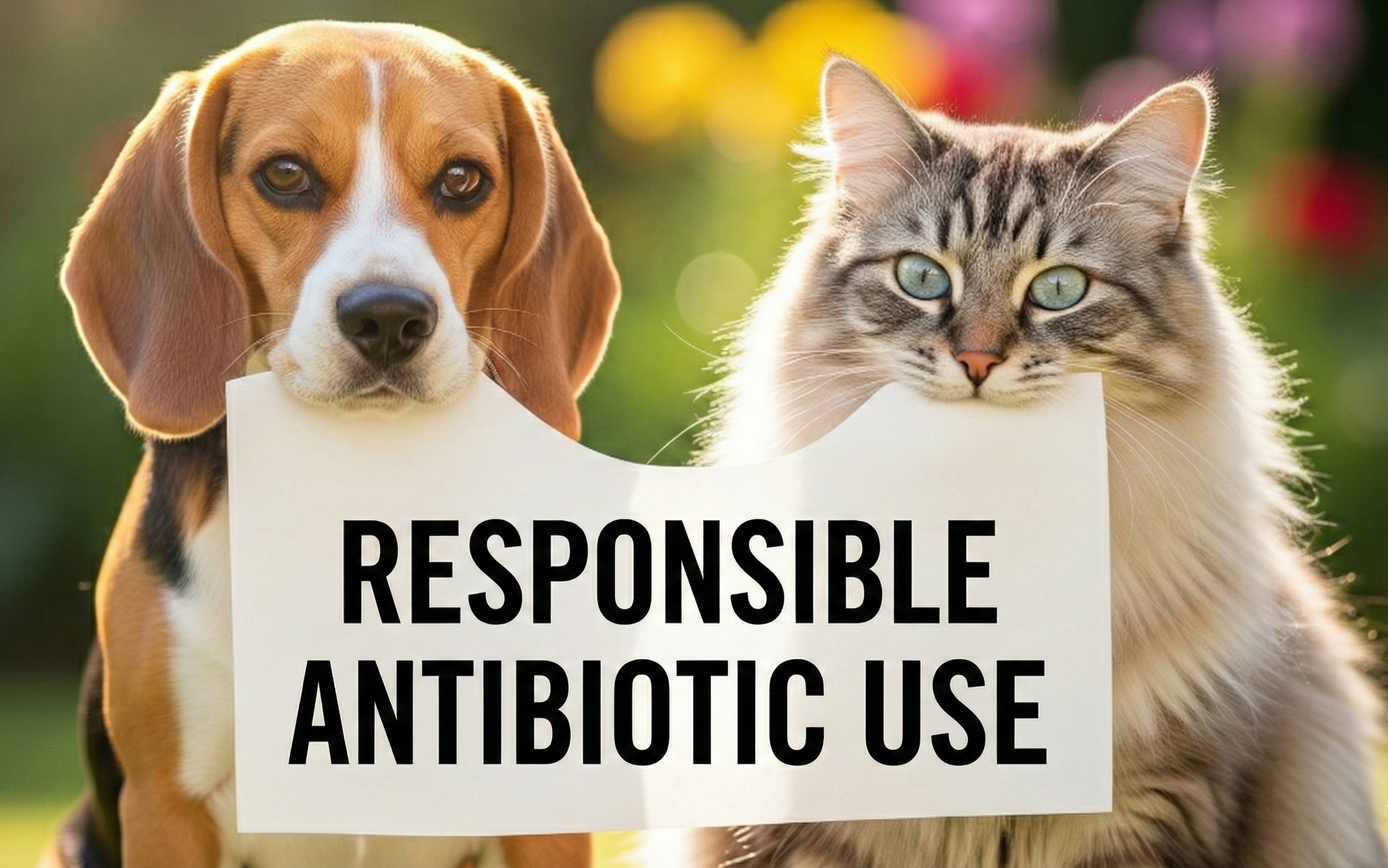
Antibiotic resistance is right among the top as one of the most pressing contemporary issues in health sciences. The UN and its agencies emphasize antimicrobial and antibiotic resistance as a cross-sectoral crisis affecting human health, veterinary medicine, agriculture, and the environment. The way we use antibiotics in humans and our animal companions has consequences that extend far beyond the household.
What Is Antibiotic Resistance?
Antibiotic resistance happens when bacteria change and become stronger, making medications that once killed them no longer effective. When your dog or cat takes antibiotics, some bacteria may survive and develop resistance. These resistant bacteria don’t just stay in your animal companion—they can spread to you and your family members, and others.
How Does Resistance Spread From Animals to People?
The connection between animal and human health is closer than many people realize. Resistant bacteria can transfer from your dog or cat to humans through:
- Direct contact like petting, cuddling, or being licked
- Cleaning up after bathroom accidents
- Handling food bowls and water dishes
- Contact with saliva or wounds
Once these resistant bacteria reach humans, they can cause infections that are much harder to treat with standard antibiotics.
The Bigger Picture
Every time antibiotics are used—whether correctly or incorrectly—there’s a risk of creating resistance. Common mistakes include:
- Stopping antibiotics early when your animal companion seems better
- Using leftover antibiotics from previous illnesses
- Demanding antibiotics for conditions that don’t need them
- Not following dosage instructions exactly
When resistance develops in bacteria affecting animals, it can contribute to a larger pool of resistant bacteria in our environment. This makes treating infections in both animals and humans more difficult and expensive.
What You Can Do
The good news is that you have the power to help fight antibiotic resistance:
Follow instructions carefully: Complete the entire antibiotic course your veterinarian prescribes, even if your dog or cat appears healthy again.
Practice good hygiene: Wash your hands thoroughly after handling your animal companion, especially if they’re taking antibiotics or recovering from an infection.
Ask questions: Talk with your veterinarian about whether antibiotics are truly necessary for your companion’s condition. Some infections may resolve without them.
Never share medications: Antibiotics prescribed for your dog or cat should never be given to other animals or people, and vice versa.
Keep regular check-ups: Preventive care can help avoid infections that require antibiotic treatment.
Some options as alternatives or complements to traditional antibiotics
Immune System Support:
- Probiotics: These beneficial bacteria can help strengthen your pet’s natural defenses, especially in the gut where much of the immune system lives. They work by increasing “good bacteria” that discourage harmful bacteria from growing.
- Proper nutrition: A balanced, complete diet is essential for a healthy immune system, which helps pets fight off infections naturally.
Other Treatment Options:
- Topical treatments: For skin infections, special shampoos, creams, or mousses can sometimes manage bacterial issues without systemic antibiotics.
- Cleaning and wound care: Proper hygiene and wound management can help infections heal without always requiring antibiotics.
- Targeted therapies: Newer treatments like monoclonal antibodies are being developed for various conditions, though these aren’t direct antibiotic replacements.
Common Natural Alternatives:
- Manuka honey – Has antibacterial properties and can be used topically for some wounds
- Colloidal silver – Sometimes used, though evidence is limited and it can have side effects
- Oregano oil – Has antimicrobial properties but must be properly diluted
- Echinacea – May help support immune function
- Apple cider vinegar – Sometimes used for minor skin issues
- Turmeric – an anti-inflammatory that is also a mild antimicrobial
Enzymes as Antibiotic Alternatives:
Enzymes are special proteins that can help fight infections in a few different ways:
- Digestive Enzymes – These can help boost your pet’s immune system by improving nutrient absorption, which helps their body naturally fight off infections better.
- Lysozyme – This is a natural enzyme found in tears, saliva, and other body fluids. It can break down bacterial cell walls and has antimicrobial properties.
- Proteolytic Enzymes – Enzymes like bromelain (from pineapple) and papain (from papaya) may help reduce inflammation and support the immune response.
Important Points:
- Enzymes are not direct replacements for antibiotics when treating serious bacterial infections
- They work best as supportive therapy alongside other treatments
- The research on enzymes replacing antibiotics in pets is still limited
- Some enzymes may interact with medications your pet is taking
Could Alternatives Also Cause Resistance?
Probiotics, manuka honey, enzymes (lysozyme, bromelain, papain), turmeric, echinacea, apple cider vinegar, topical wound care, shampoos, and monoclonal antibodies do not function like traditional antibiotics. Because they don’t directly kill bacteria in the same way, they generally do not drive antibiotic resistance. Instead, they support the immune system, create unfavorable environments for bacteria, or act locally without systemic pressure on bacterial populations.
Colloidal silver and oregano oil have antimicrobial effects, but resistance can theoretically develop if bacteria are repeatedly exposed. For example, silver resistance has been documented in some bacterial strains, though it’s less common than antibiotic resistance. Oregano oil’s active compounds (like carvacrol) are less studied in terms of resistance, but any antimicrobial pressure can potentially select for resistant organisms.
Topical treatments and wound care reduce bacterial load mechanically or chemically (cleaning, antiseptics) rather than through systemic antibiotics, so they don’t contribute to resistance in the same way.
Key Distinction
- Antibiotics: Target specific bacterial processes (cell wall synthesis, protein synthesis, etc.). Resistance arises when bacteria mutate or acquire genes to evade these mechanisms.
- Alternatives: Often act more broadly (immune support, physical cleansing, natural antimicrobials). They don’t usually create the same selective pressure that drives resistance, though misuse or overuse of strong antimicrobials (like silver or essential oils) could still encourage adaptation but to a much lesser extent because of multi-target action.
Alternatives do not produce antibiotic resistance in the same way prescription antibiotics do. However, they are not replacements for antibiotics in serious infections.
The health of your animal companions and your family are interconnected. Responsible antibiotic use protects everyone. Always consult your veterinarian about the best treatment options and follow their professional guidance carefully.
Post Views: 38
Animal Wellness is North America’s top natural health and lifestyle magazine for dogs and cats, with a readership of over one million every year. AW features articles by some of the most renowned experts in the pet industry, with topics ranging from diet and health related issues, to articles on training, fitness and emotional well being.