
Check out our latest products


![[PETHROOM] Cat Nail Clipper Trimmer for Indoor Cats with Circular Cut Hole (2mm) | Premium Sturdy Stainless Steel Blade Cat Claw | Safe, Easy, Accurate, Quiet & Fast | Avoid Overcutting](https://m.media-amazon.com/images/I/6156hi88deL._AC_SL1298_.jpg)
![[PETHROOM] Professional Eye Comb for Pets | Stainless Steel Tear Stain Remover for Cats & Dogs | Gentle Round-Head Grooming Tool | Compact & Portable for Eye Gunk Removal](https://m.media-amazon.com/images/I/71+W758uwXL._SL1500_.jpg)
If you’ve just brought home an AmStaff puppy, you’re probably watching them grow at an almost comical rate. One week they’re a tiny, wobbly ball of muscle. A few months later, they’re trying to climb into your lap like they still weigh 10 pounds. So what’s normal? What should they weigh at 3 months? At 6 months? When do they finally stop growing?
This guide breaks down American Staffordshire Terrier weight by age with detailed charts for both males and females, plus feeding guidelines, muscle development stages, and tips for keeping your AmStaff at a healthy weight throughout their life.
- Adult male weight range: 55-88 lbs (25-40 kg)
- Adult female weight range: 40-70 lbs (18-32 kg)
- Full height reached: 12-18 months
- Full muscle mass / body fill: 2-3 years
- AKC standard height: 17-19 inches (males), 16-18 inches (females)
About the American Staffordshire Terrier’s Build
The AmStaff is a medium-sized dog, but don’t let “medium” fool you. These dogs are seriously muscular for their size. A 70-pound AmStaff feels much more substantial than a 70-pound Labrador. Their stocky, broad-chested frame is one of their defining traits, and it develops gradually through puppyhood and into early adulthood.
Males and females differ more noticeably in weight than in height. Males tend to run heavier and more broad-chested, while females have a slightly leaner frame. Both sexes are athletic and solidly built.
One thing that surprises new owners: AmStaffs don’t reach their final “filled out” look until around 2-3 years of age. They might reach full height by 14-18 months, but the muscle mass and chest width keep developing. Don’t panic if your 1-year-old looks lanky or narrow-chested. That’s completely normal.
Male American Staffordshire Terrier Weight by Age
The table below shows average weight and height ranges for male AmStaffs from birth through 3 years. These are general averages. Individual dogs vary based on genetics, nutrition, and health, so don’t stress if your pup runs a few pounds above or below.
| Age | Weight (lbs) | Weight (kg) | Height (inches) | Height (cm) |
|---|---|---|---|---|
| Newborn | 0.5-1.0 | 0.23-0.45 | 3-4 | 7.6-10.2 |
| 1 Month | 5-8 | 2.3-3.6 | 5-7 | 12.7-17.8 |
| 2 Months | 10-15 | 4.5-6.8 | 8-11 | 20.3-27.9 |
| 3 Months | 15-25 | 6.8-11.3 | 10-13 | 25.4-33.0 |
| 4 Months | 20-35 | 9.1-15.9 | 12-16 | 30.5-40.6 |
| 5 Months | 30-45 | 13.6-20.4 | 14-18 | 35.6-45.7 |
| 6 Months | 40-55 | 18.1-24.9 | 16-20 | 40.6-50.8 |
| 7 Months | 45-60 | 20.4-27.2 | 17-21 | 43.2-53.3 |
| 8 Months | 50-65 | 22.7-29.5 | 18-22 | 45.7-55.9 |
| 9 Months | 55-70 | 24.9-31.8 | 18-23 | 45.7-58.4 |
| 10 Months | 58-73 | 26.3-33.1 | 19-23.5 | 48.3-59.7 |
| 11 Months | 60-75 | 27.2-34.0 | 19-24 | 48.3-61.0 |
| 12 Months | 62-77 | 28.1-34.9 | 19.5-24.5 | 49.5-62.2 |
| 18 Months | 63-80 | 28.6-36.3 | 19.5-25 | 49.5-63.5 |
| 2 Years | 65-83 | 29.5-37.6 | 20-25 | 50.8-63.5 |
| 3 Years | 65-88 | 29.5-39.9 | 21-25 | 53.3-63.5 |
Female American Staffordshire Terrier Weight by Age
Female AmStaffs are a bit lighter and slightly less broad-chested than males, but don’t let that undersell them. They’re still solidly built dogs with plenty of muscle. A healthy adult female typically lands in the 40-70 pound range by age 2-3.
| Age | Weight (lbs) | Weight (kg) | Height (inches) | Height (cm) |
|---|---|---|---|---|
| Newborn | 0.4-0.8 | 0.18-0.36 | 1.5-2.5 | 3.8-6.4 |
| 1 Month | 4-8 | 1.8-3.6 | 3.5-5.5 | 8.9-14.0 |
| 2 Months | 8-18 | 3.6-8.2 | 5-8 | 12.7-20.3 |
| 3 Months | 18-28 | 8.2-12.7 | 7-11 | 17.8-28.0 |
| 4 Months | 28-38 | 12.7-17.2 | 9-13 | 22.9-33.0 |
| 5 Months | 32-45 | 14.5-20.4 | 11-15 | 28.0-38.1 |
| 6 Months | 35-50 | 15.9-22.7 | 12-17 | 30.5-43.2 |
| 7 Months | 38-55 | 17.2-25.0 | 13-18 | 33.0-45.7 |
| 8 Months | 42-58 | 19.1-26.3 | 14-19 | 35.6-48.3 |
| 9 Months | 45-62 | 20.4-28.1 | 15-20 | 38.1-50.8 |
| 10 Months | 47-65 | 21.3-29.5 | 15.5-20.5 | 39.4-52.1 |
| 11 Months | 50-68 | 22.7-30.8 | 16-21 | 40.6-53.3 |
| 12 Months | 52-70 | 23.6-31.8 | 16.5-21.5 | 41.9-54.6 |
| 18 Months | 53-72 | 24.0-32.7 | 17-22 | 43.2-55.9 |
| 2 Years | 55-75 | 25.0-34.0 | 17-22 | 43.2-55.9 |
| 3 Years | 56-77 | 25.4-35.0 | 17.5-22.5 | 44.5-57.2 |
When Do AmStaffs Stop Growing?
Most American Staffordshire Terriers hit their full height somewhere between 12 and 18 months. But the growth story doesn’t end there. The muscle and body mass development continues well past that point, often all the way to 2-3 years of age.
So if your 14-month-old AmStaff looks thin or narrow compared to older dogs at the park, that’s normal. They’re done growing up. They’re still growing out.
Here’s a rough breakdown of what changes when:
- 0-6 months: Rapid height and weight gain. Puppies roughly double in height and multiply their birth weight many times over.
- 6-12 months: Growth slows but stays steady. Most of the height gets added in this window too.
- 12-18 months: Height plateaus. Weight and muscle continue filling in.
- 18 months – 3 years: Chest broadens, muscle mass builds. Your AmStaff starts looking like the stocky, powerful dog you expected.
AmStaff Muscle Development Stages
This breed is famous for its muscle, but that physique develops in stages. Knowing what to expect can save you a lot of unnecessary worry.
Puppyhood (0-6 months): Puppies look soft and round, not muscular. That’s totally expected. The muscle definition you associate with the breed hasn’t developed yet.
Adolescence (6-12 months): You’ll start seeing some definition, especially in the legs and shoulders. But many AmStaffs look a bit “rangy” at this stage, with longer legs than body. Completely normal.
Young adult (12-24 months): The chest starts widening. Muscle definition becomes more noticeable, especially after regular exercise. If you’re looking at your dog and thinking they look like a teenager who just started working out, you’re on track.
Full maturity (2-3 years): The full AmStaff physique is here. Broad chest, thick neck, defined shoulders. This is when most owners feel like their dog finally “looks like an AmStaff.”
Want to support that muscle development? check out these puppy supplements recommended for growing AmStaffs – some are specifically formulated to support bone and muscle health during the growth phase.
How Much Should You Feed an AmStaff Puppy?
This is one of the most common questions AmStaff owners have, and the answer changes as your dog grows. Overfeeding is one of the biggest risks during puppyhood. AmStaffs are naturally food-motivated, and excess weight during growth can put unnecessary strain on their developing joints.
| Age | Daily Food Amount | Meals Per Day |
|---|---|---|
| 2-3 months | 1-1.5 cups | 3-4 |
| 4-6 months | 1.5-2.5 cups | 3 |
| 7-9 months | 2.5-3.5 cups | 2-3 |
| 10-12 months | 3-4 cups | 2 |
| Adult (1+ year) | 2.5-4 cups | 2 |
Amounts based on a high-quality dry kibble at roughly 350-400 calories per cup. Always check your specific food’s label.
These numbers are rough guides. Your dog’s actual needs depend on the calorie density of their specific food, their activity level, and their individual metabolism. An AmStaff that runs an hour a day needs more food than one that gets a leisurely 20-minute walk.
For food recommendations specifically formulated for this breed’s needs, see our guide to the best dog foods for American Staffordshire Terriers. And once your pup is past the 12-month mark, these AmStaff puppy-specific foods are worth reviewing before you make the switch to adult formula.
When to Switch from Puppy Food to Adult Food
Most AmStaffs should stay on puppy food until at least 12 months, and some do better staying on it until 14-18 months given how long they continue to develop muscle and bone density.
The general rule: don’t rush the switch. Puppy food has higher protein and fat content, plus the calcium and phosphorus balance that supports skeletal development. Once your vet confirms your dog’s growth plates have closed (usually around 12-14 months), you can start transitioning.
Do a gradual switch over 7-10 days, mixing increasing amounts of adult food with the puppy formula. A sudden switch can cause digestive upset.
Healthy Weight Ranges for Adult AmStaffs
AKC breed standards give a height range but don’t specify weight. That leaves a lot of room for variation. Here’s what vets and experienced breeders generally consider healthy:
- Adult males: 55-88 lbs is the typical range. The ideal weight for your specific dog depends on their frame and muscle mass.
- Adult females: 40-70 lbs covers most healthy adult females.
The body condition score matters more than the number on a scale. Here’s the simplest check: run your hands along your dog’s ribcage. You should be able to feel each rib without pressing hard, but you shouldn’t be able to see the ribs clearly. Visible ribs mean underweight. You can’t feel ribs at all? That’s overweight territory.
From above, a healthy AmStaff should have a visible waist behind the ribcage. From the side, there should be a slight tuck up at the belly. AmStaffs can gain weight surprisingly quickly if overfed and under-exercised, so keep an eye on those markers.
If you’re worried your dog’s joints are being stressed by extra weight, these joint supplements for American Staffordshire Terriers are worth looking into, especially for dogs 5 years and older.
Factors That Affect AmStaff Growth
Why does one AmStaff end up at 70 pounds while another from a similar background lands at 55? A few reasons:
Genetics: The parents’ size is the single biggest predictor. If you have contact with your dog’s breeder, ask about the sire and dam weights. That’ll give you the best estimate of where your dog will land.
Nutrition quality: Dogs fed a high-quality diet with appropriate protein levels develop more consistently than those on budget food with low protein content. This is especially true during the first 12 months.
Spay/neuter timing: Dogs spayed or neutered before growth plates close (before 12-14 months) often end up slightly taller and leaner than intact dogs. The sex hormones that close growth plates are removed early, allowing bones to grow longer. This isn’t necessarily better or worse, just different.
Health history: Illness, parasites, or nutritional deficiencies during puppyhood can slow growth. Dogs that had a rough start sometimes catch up, sometimes don’t fully.
Exercise intensity: Regular moderate exercise supports healthy muscle and bone development. Over-exercising very young puppies (especially high-impact running or jumping) can put stress on growth plates before they close. Short, frequent play sessions are better than one long intense workout for puppies under 12 months.
Common Weight-Related Health Concerns
AmStaffs are generally a robust breed, but there are a few weight and growth-related issues to watch for.
Hip dysplasia: This inherited condition causes abnormal hip joint development. Keeping your dog lean, especially during growth, reduces the mechanical stress on hip joints and can delay or reduce symptom severity. If your dog seems stiff after exercise or reluctant to climb stairs, talk to your vet.
Obesity: AmStaffs love food and aren’t always great at self-regulating. A chunky AmStaff might look cute, but excess weight accelerates joint wear, puts strain on the heart, and reduces their activity tolerance. The difference between a 10-pound overweight dog and a healthy-weight dog is significant for their quality of life.
Skin and coat quality as a weight indicator: An AmStaff with a dull coat or dry, flaky skin sometimes has a nutritional issue that can affect weight and development too. improving your AmStaff’s skin and coat often starts with food quality and supplementation.
As your dog hits the senior years (7+), staying at a healthy weight becomes even more critical. senior supplements for AmStaffs can help support joint health, immune function, and energy as their metabolism slows.
Training During Growth Phases
A rapidly growing AmStaff can be a handful. They’ve got the energy of a puppy and the strength of a dog twice their mental maturity. That combination means training early and consistently isn’t optional. online training courses for American Staffordshire Terriers can be a great way to work on obedience and socialization during those chaotic first 12-18 months, at your own pace and without leaving home.
For dogs showing signs of anxiety during growth phases (new environments, separation), these methods for calming AmStaff anxiety can help.
Frequently Asked Questions
How much does a full-grown American Staffordshire Terrier weigh?
Adult males typically weigh 55-88 lbs (25-40 kg). Adult females usually fall between 40-70 lbs (18-32 kg). These ranges reflect the natural variation in the breed. Some dogs run heavier due to genetics and build without being overweight.
When does an AmStaff stop growing?
They reach full height around 12-18 months. But don’t expect to see the full muscled, broad-chested AmStaff look until around 2-3 years. The body keeps filling out long after height has plateaued.
Is my 6-month-old AmStaff’s weight normal?
At 6 months, male AmStaffs typically weigh 40-55 lbs and females 35-50 lbs. If your dog falls within or close to that range, you’re likely fine. If you’re seeing dramatic weight loss or gain, or your pup seems lethargic or uninterested in food, a vet visit is the right call.
How do I know if my AmStaff is overweight?
Do the rib check. Run your hands along their sides – you should feel ribs easily without pressing hard. You shouldn’t be able to see them. Also look for a waist from above and a belly tuck from the side. No visible waist and a round belly from any angle? Time to talk to your vet about a diet plan.
Should I switch to adult food at 12 months?
You can, but many AmStaff owners and vets prefer waiting until 14-18 months given how long this breed continues to develop. Talk to your vet at the 12-month checkup and get their recommendation based on your specific dog’s condition and growth plate status.
Do male and female AmStaffs grow at different rates?
Males tend to grow faster in the early months and ultimately end up larger. Both sexes follow a similar growth curve, but males keep adding muscle mass a bit longer and end up heavier on average. Females reach their final size a little sooner.
Can neutering affect my AmStaff’s size?
Yes. Neutering before growth plates close (before 12-14 months) can result in a slightly taller, leaner dog because sex hormones that signal the growth plates to close are removed earlier. Most vets weigh this against other health factors when recommending timing. Ask your vet what’s right for your specific dog.
What if my AmStaff puppy seems smaller than the chart?
Some healthy dogs just run small. If your pup is active, eating well, has a shiny coat, and is gaining weight steadily, a smaller size probably isn’t a problem. If growth has stalled entirely or they’ve lost weight, that’s worth a vet visit to rule out parasites, illness, or a food issue.
Bottom Line
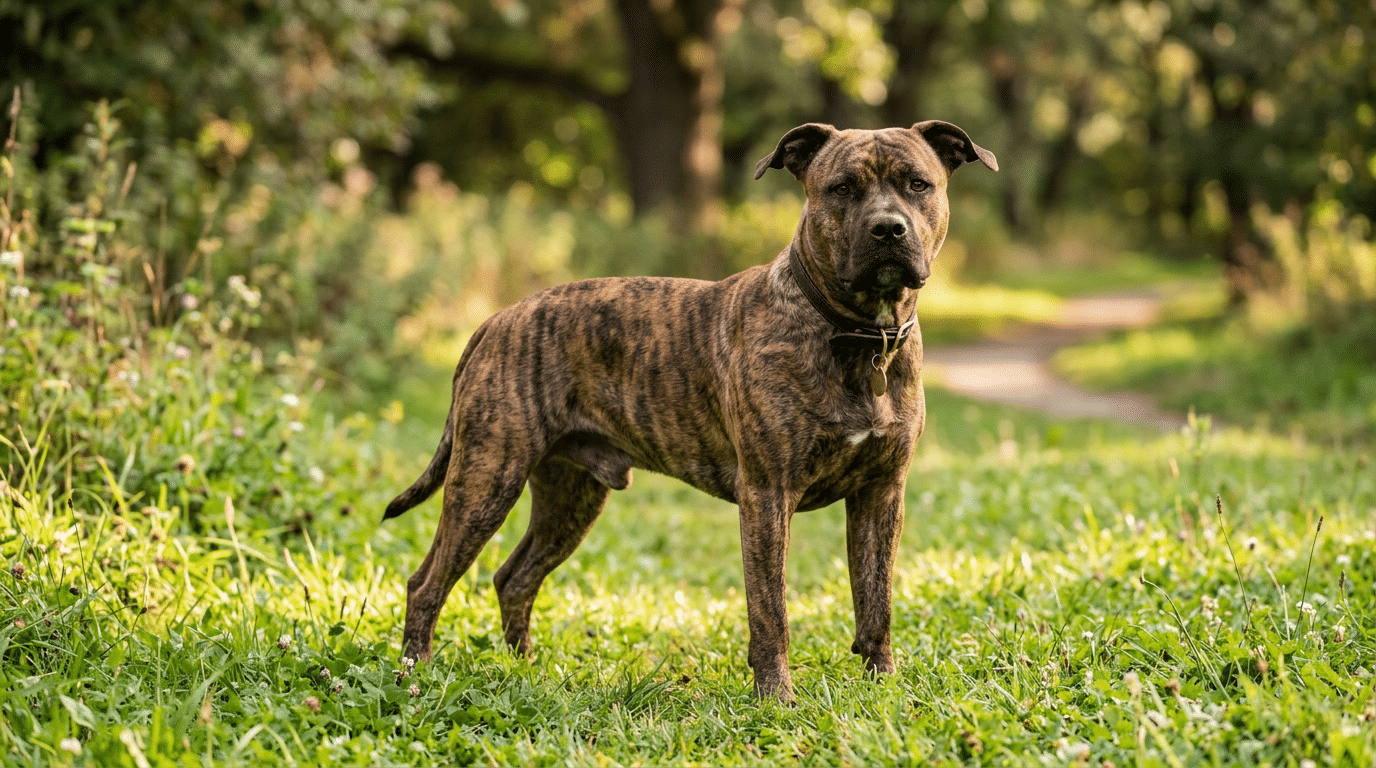
Tracking your American Staffordshire Terrier’s weight by age gives you a clear picture of whether they’re on the right growth path. Males and females develop at similar rates but end up at different final sizes, and neither sex reaches their full physique until 2-3 years of age.
The most important thing isn’t hitting an exact number on the scale. It’s consistent, steady growth, a healthy body condition you can verify with your hands, and regular vet checkups that catch any concerns early. Use these charts as your reference point, not your finish line.
Your AmStaff is going to grow into a strong, impressive dog. Feed them well, exercise them appropriately for their age, and give them a bit of time. The physique they’re known for is worth the wait.