

Check out our latest products


![[PETHROOM] Cat Nail Clipper Trimmer for Indoor Cats with Circular Cut Hole (2mm) | Premium Sturdy Stainless Steel Blade Cat Claw | Safe, Easy, Accurate, Quiet & Fast | Avoid Overcutting](https://m.media-amazon.com/images/I/6156hi88deL._AC_SL1298_.jpg)
![[PETHROOM] Professional Eye Comb for Pets | Stainless Steel Tear Stain Remover for Cats & Dogs | Gentle Round-Head Grooming Tool | Compact & Portable for Eye Gunk Removal](https://m.media-amazon.com/images/I/71+W758uwXL._SL1500_.jpg)
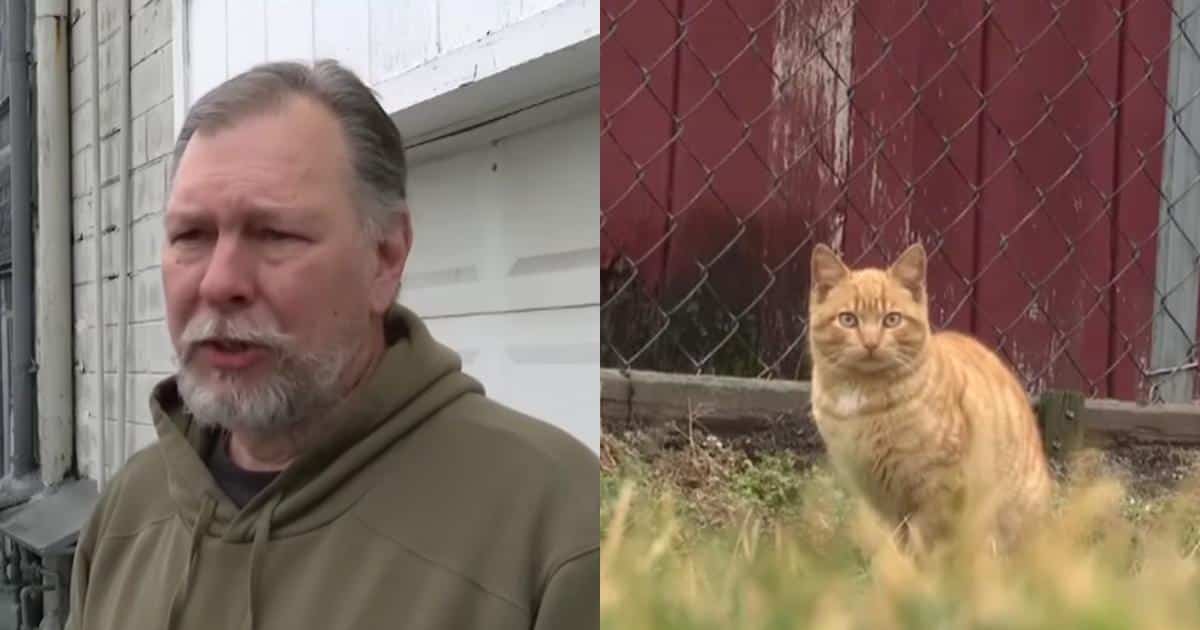
During a brutal winter cold snap, when snow covered the ground and temperatures dropped far below freezing, a man in Swanton could not ignore the quiet struggle happening just outside his building. In the alley behind his property, a small colony of stray cats huddled together as they tried to survive the bitter conditions. The animals searched for scraps and warmth in a place that offered little protection from the harsh weather. Seeing their fragile state and growing hunger, Scott Drummond decided he could not simply watch them suffer without doing something to help them endure the freezing season.
Drummond says about a dozen stray cats regularly live in the alley behind the building he owns. When spring and summer arrive, that number often grows as kittens are born and join the group. By the warm months, the colony can reach as many as three dozen cats.
But winter brings a far harsher reality. Snow piles up. Temperatures fall below zero. Food sources disappear almost overnight.
For the cats, the alley becomes both shelter and struggle. It is the only place they know, yet survival becomes harder with every freezing night.
A Compassionate Act Leads to a Citation
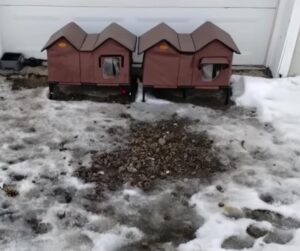
As the cold intensified, Drummond began leaving food outside for the cats and providing small shelters to help them stay warm. His goal was simple. He wanted to give the animals a chance to survive the winter.
But the situation quickly took an unexpected turn.
One day, Drummond discovered five gallons of cat waste dumped on his property. The unpleasant mess left him shocked and frustrated. Believing the act may have been retaliation for feeding the stray cats, he contacted the police to report it.
Instead, officers informed him that feeding the cats violated a village ordinance. Drummond was issued a minor misdemeanor citation.
Soon after, he appeared before a judge and was ordered to pay $100 in court costs.
Why Helping Cats in Winter Matters
Winter is one of the most dangerous seasons for stray cats. When temperatures drop below freezing, food becomes scarce, and shelter becomes critical for survival. Cats must burn far more energy just to stay warm, and without regular meals, their bodies weaken quickly.
Hunger, dehydration, and frostbite are real threats. Even strong adult cats can struggle to survive extended periods of extreme cold.
For many stray animals, a small bowl of food or a simple insulated shelter can mean the difference between life and death. These small acts of kindness often come from ordinary people who notice animals quietly suffering outside.
That is why stories like this can feel troubling to many animal lovers. Instead of recognizing an effort to help vulnerable animals during dangerous weather, the situation resulted in a citation.
To some observers, punishing someone for trying to keep freezing animals alive raises difficult questions about how communities balance local ordinances with compassion.
Choosing Kindness Despite the Consequences
Despite the citation, Drummond stood by his decision to help the cats.
With snow on the ground and temperatures well below freezing, he believed the animals had little chance of finding enough food on their own.
“They would have starved to death,” Drummond explained.
Stray cats often rely on scraps or occasional handouts from people to survive. In winter, those opportunities become rare. The cold drains their energy faster than they can replace it.
Drummond saw the thin bodies and cautious eyes gathering when food appeared. For some of the cats, it may have been the only meal they received that day.
Although the legal outcome required him to pay court costs, his motivation remained rooted in compassion. To him, the cats were not a nuisance. They were living creatures trying to survive a brutal season.
And when he saw them struggling in the cold, he chose to help.
Click ‘SHARE’ below to pass it on to family and friends!