

Check out our latest products


![[PETHROOM] Cat Nail Clipper Trimmer for Indoor Cats with Circular Cut Hole (2mm) | Premium Sturdy Stainless Steel Blade Cat Claw | Safe, Easy, Accurate, Quiet & Fast | Avoid Overcutting](https://m.media-amazon.com/images/I/6156hi88deL._AC_SL1298_.jpg)
![[PETHROOM] Professional Eye Comb for Pets | Stainless Steel Tear Stain Remover for Cats & Dogs | Gentle Round-Head Grooming Tool | Compact & Portable for Eye Gunk Removal](https://m.media-amazon.com/images/I/71+W758uwXL._SL1500_.jpg)
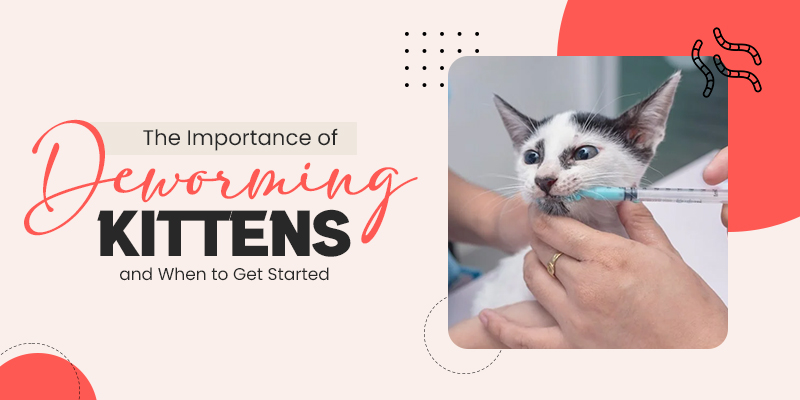
Welcoming a new kitten into your home is like experiencing a perfect combination of purring moments and endless cuddles that melt your heart and fill your days with pure joy. But amid all the love and happiness, a hidden threat exists – intestinal worms. Yes, intestinal worms such as roundworms, hookworms, etc., are very common in cats, and they not only cause dehydration, vomiting, or weight loss but can also be fatal if left unattended. And the best way to keep your cat protected from these nasty worms is through routine deworming.
In this blog post, we will discuss how kittens get worms, the importance of deworming, and the ideal timeline to begin it for safe and effective care.
Let’s get started!
What are worms, and how do kittens get them?
Kittens can get worms in various ways; let’s have a look:
- Through Their Mothers: Kittens can get worms from infected mothers through the placenta during pregnancy or through breast milk while nursing.
- Environment: The external environment can also transmit worms through contaminated soil, skin-to-skin contact, and infected stool.
- Ingestion: Worms can also spread through ingestion from contaminated soil or feces when your kitten gets exposed to worm eggs or larvae while walking or playing outside.
- Fleas: Parasites like fleas can also transmit worms, as they are known carriers of tapeworms. When an infected flea bites a cat, the cat may accidentally ingest the flea while licking the itchy area, spreading the infection.
- Infected animals: Worms can also be transmitted to kittens by coming in contact with an already infected animal, including rabbits, rodents, etc.
Why is Deworming Important for Kittens?
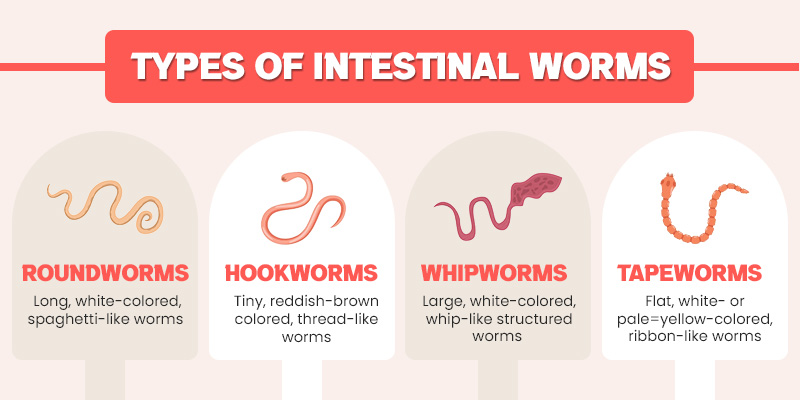
Deworming kittens is essential as it helps in preventing worm infections, including roundworms, hookworms, whipworms, and tapeworms and related health issues such as digestive issues, weight loss, anemia, etc. Kittens can get worms from both outdoors and indoors; hence, it is important to follow a proper deworming schedule along with preventive measures both outside and inside your home to keep worms away.
When & how often should you deworm your kitty?
Here’s the kitten deworming schedule that you should follow to keep your little one safe and healthy:
- Start deworming kittens as early as 3 weeks of age
- Deworm every 2 weeks until 8-9 weeks old
- Deworm every 4 weeks until 6 months old
- Deworm every 1-3 months, depending on lifestyle
Final words
Deworming kittens plays a vital role in preventing serious health problems like anemia or intestinal blockages and safeguarding their overall well-being. With adequate knowledge, a little effort, and routine modifications, you can ensure your furball grows into vibrant, healthy, and playful cats. Start early, maintain good hygiene, and follow a vet-recommended deworming schedule with appropriate products that cater to your kitty’s lifestyle and environment to give them a strong start they actually deserve.
Frequently Asked Questions (FAQs)
Q1. When should kittens be dewormed for the first time?
Ans. Kittens should be dewormed starting from 3 weeks of age, continuing the process every 2 weeks until 8-9 weeks of age, and then every 4 weeks until 6 months of age.
Q2. Why is it important to use vet-recommended deworming products?
Ans. It is extremely important to use vet-recommended deworming products as they are proven for their safety and efficacy and are tailored to meet your kitty’s individual preferences and requirements.
Q3. Can indoor kittens get worms?
Ans. Yes, indoor kittens can also get worms through fleas as they hide inside furniture, bedding, and carpets, and transmit tapeworms.
Q4. What happens if kittens are not dewormed?
Ans. If you do not deworm your kitten from time to time according to the deworming schedule, worms can pass through their GI tract and cause intestinal blockages. Kittens not dewormed properly can experience growth and development delays. Furthermore, neglecting deworming can make the worm infection severe, causing severe organ damage or even death in some cases.