
Check out our latest products


![[PETHROOM] Cat Nail Clipper Trimmer for Indoor Cats with Circular Cut Hole (2mm) | Premium Sturdy Stainless Steel Blade Cat Claw | Safe, Easy, Accurate, Quiet & Fast | Avoid Overcutting](https://m.media-amazon.com/images/I/6156hi88deL._AC_SL1298_.jpg)
![[PETHROOM] Professional Eye Comb for Pets | Stainless Steel Tear Stain Remover for Cats & Dogs | Gentle Round-Head Grooming Tool | Compact & Portable for Eye Gunk Removal](https://m.media-amazon.com/images/I/71+W758uwXL._SL1500_.jpg)
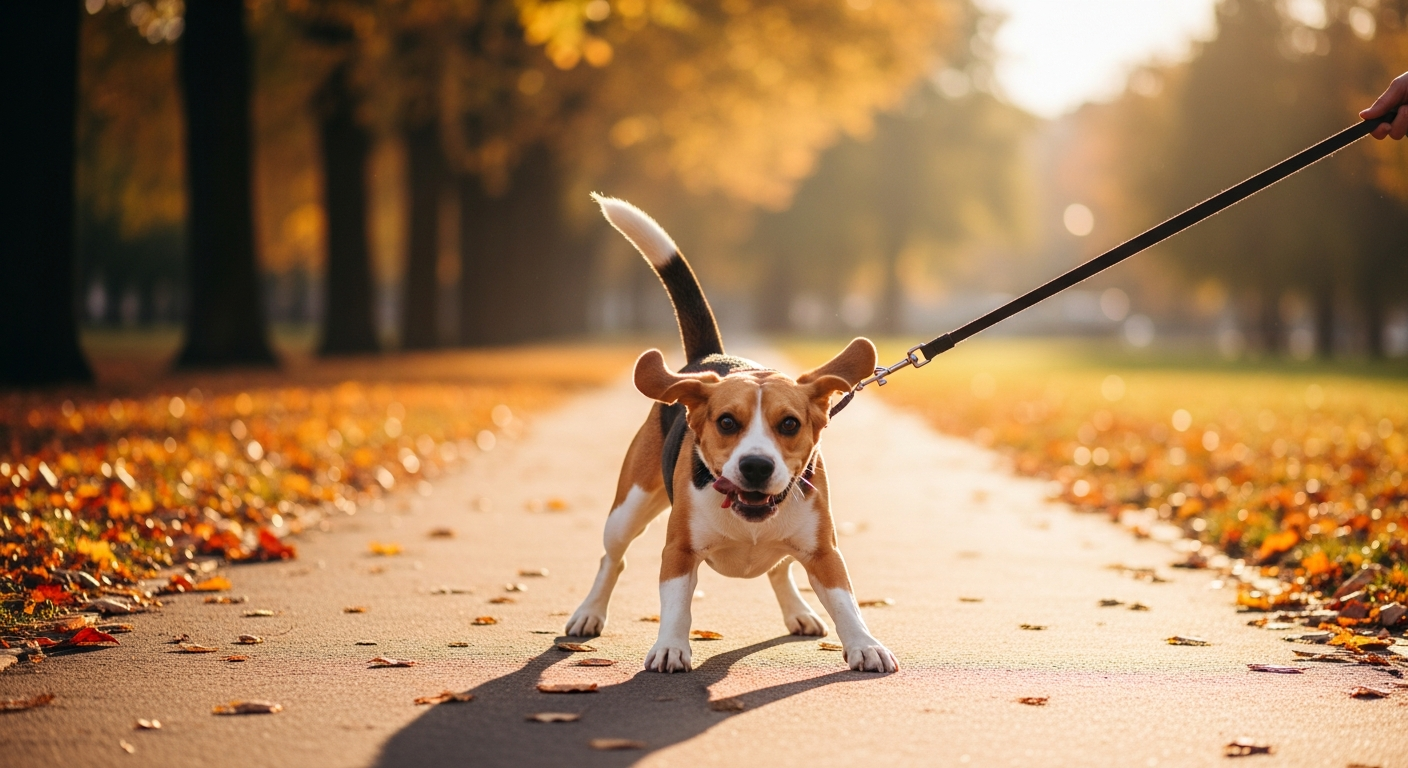
Does your dog bark, lunge, or overreact when they see other dogs or people during walks? You’re not alone. Many dog parents face this challenging behavior, which can make walks stressful for both you and your canine companion. The good news is that with understanding and the right approach, you can implement dog reactivity training help your dog feel more confident and relaxed.
Why Dogs React
Dogs bark and lunge abnormally for specific reasons. They might be feeling fearful or anxious about unfamiliar dogs or people. Some dogs are trying to protect their space or communicate that they’re uncomfortable. Understanding the reason behind your dog’s behavior is the first step toward helping them.
It’s important to know that aggression and reactivity are more about individual dogs rather than specific breeds. Any dog can become reactive or aggressive, regardless of their breed. These behaviors are usually caused by fear, anxiety, frustration, or territorial feelings rather than breed alone.
That said, some factors that might influence these behaviors include:
Energy levels: High-energy breeds (like Border Collies or herding dogs) may show more intense reactions if they don’t get enough physical and mental exercise. A bored or under-exercised dog is more likely to be hyperactive.
Breeding background: Dogs bred for guarding or protective work may show more territorial behaviors. However, this doesn’t mean they will automatically be aggressive – proper training and socialization make a huge difference.
Individual personality and experiences: A dog’s past experiences, training, and socialization are much more important than breed. A dog who wasn’t properly socialized may become fearful and abnormally reactive.
What Causes Reactive Behavior on Walks?
First, it’s important to understand that your dog isn’t trying to embarrass you or be “bad.” Any dog can become reactive or show aggressive behavior during walks. This behavior is usually caused by:
- Anxiety or fear – The dog feels nervous about strangers, other dogs, or new situations
- Territorial behavior – Some dogs feel protective of their walking route or their owner
- Lack of socialization – Dogs that didn’t get enough positive experiences with different people, animals, and places when they were young
- Poor training or inconsistent routines – Dogs that haven’t learned what’s expected of them
- Past negative experiences – A scary encounter can make a dog reactive going forward
Create Structure and Routine
Dogs thrive on predictability. Establish a consistent daily routine for walks, meals, and playtime. This helps your dog know what to expect and reduces overall stress. Before getting anything they want—treats, walks, or attention—ask your dog to sit first. This simple practice creates positive expectations and helps build confidence.
Be Smart About Managing Your Dog
Avoid situations that trigger your dog’s reactive behavior while you’re working on training. If your dog reacts to other dogs, skip the dog park and choose quieter walking routes. Cross the street when you see another dog approaching, or turn around and walk the other way. This isn’t giving up—it’s being smart about managing your dog’s environment while they learn new skills.
Use Positive Reinforcement
Never punish your dog for reactive behavior, as this can make fear and anxiety worse. Instead, reward calm behavior with treats and praise. When you see another dog in the distance and your dog remains calm, immediately give them a high-value treat. This teaches them that good things happen when other dogs are around.
Practice Distance Training
Start training at a distance where your dog notices other dogs but doesn’t react. Reward them for looking at the other dog and then looking back at you. Gradually decrease the distance over multiple training sessions as your dog becomes more comfortable. Remember to set your dog up for success—each experience should end positively.
Build Confidence Through Training
Dog reactivity training involves teaching your dog basic obedience commands and fun tricks. It gives them something to focus on during stressful situations. If your dog starts to react during a walk, ask them to perform a behavior they know well, like “sit” or “watch me.” This redirects their attention and gives you an opportunity to reward positive behavior. Work with a professional trainer – Look for a fear-free trainer who uses positive reinforcement, not harsh methods
If your dog’s reactivity involves aggression or doesn’t improve with these basic strategies, consult your veterinarian. They can rule out medical issues and may refer you to the right person for specialized help.
Remember, changing reactive behavior takes time and patience. Every dog learns at their own pace, so celebrate small victories along the way. With consistency and positive reinforcement, you can help your dog approach the world with more confidence.
Post Views: 10
Animal Wellness is North America’s top natural health and lifestyle magazine for dogs and cats, with a readership of over one million every year. AW features articles by some of the most renowned experts in the pet industry, with topics ranging from diet and health related issues, to articles on training, fitness and emotional well being.