

Check out our latest products


![[PETHROOM] Cat Nail Clipper Trimmer for Indoor Cats with Circular Cut Hole (2mm) | Premium Sturdy Stainless Steel Blade Cat Claw | Safe, Easy, Accurate, Quiet & Fast | Avoid Overcutting](https://m.media-amazon.com/images/I/6156hi88deL._AC_SL1298_.jpg)
![[PETHROOM] Professional Eye Comb for Pets | Stainless Steel Tear Stain Remover for Cats & Dogs | Gentle Round-Head Grooming Tool | Compact & Portable for Eye Gunk Removal](https://m.media-amazon.com/images/I/71+W758uwXL._SL1500_.jpg)
The oral microbiome plays a vital role in your dog or cat’s dental, digestive, and immune health. Support balance through diet, oral hygiene, and specific supplements.
When you hear the word “microbiome,” you probably think about the gut — that bustling ecosystem of bacteria that helps digest food and support immunity. But there’s another equally vital microbiome that animal parents often overlook. This is the oral microbiome inside the dog or cat’s mouth.
Just like the digestive tract, your dog or cat’s oral cavity is home to a complex community of bacteria, fungi, and viruses. These organisms live in delicate balance. This community — known as the oral microbiome — influences your animal’s dental health. It also impacts their her heart, kidneys, GI tract, and immune system.
Increasingly, research shows that mouth health and body health are inseparable. Supporting this ecosystem helps protect your animal’s overall health. This article looks at the oral microbiome in dogs and cats and how to support it.
Your dog or cat’s mouth: a microbial ecosystem of its own
The oral microbiome is a living community of microorganisms. They inhabit the surfaces of teeth, gums, tongue, and the saliva. Each area — from above the gum line to the deeper pockets near tooth roots — has its own oxygen levels, nutrients, and microbial residents.
In a healthy mouth, these microbes live in harmony with the body. They form biofilms (thin, sticky layers) that can protect against harmful invaders. Beneficial bacteria help maintain a neutral or slightly alkaline pH. The They also occupy space so pathogens can’t take hold, and work to “communicate” with the immune system to maintain balance.
We call this state of healthy harmony symbiosis, and it’s the cornerstone of oral and whole-body health. When the ecosystem becomes imbalanced — a condition known as dysbiosis — harmful microbes take over. This triggers inflammation, oral tissue damage, and eventually systemic effects throughout the body.
When balance tips: how oral disease begins
Periodontal disease is the most common health condition in adult dogs, and affects most cats over three years old. But it’s not simply a matter of dirty tartar on the teeth. It’s a microbial imbalance that fuels chronic inflammation.
At first, plaque — a sticky film of bacteria and saliva — builds up on the teeth. If not removed (through brushing or chewing), it thickens, traps food particles, and hardens into tartar. As oxygen levels drop beneath the surface of thick plaque or tartar, microbial populations shift.
Friendly, aerobic (oxygen-loving) bacteria are replaced by anaerobic, Gram-negative species — the known culprits in periodontal disease These organisms produce toxins and enzymes that damage gum tissue and overwhelm immune defenses.
The body responds with inflammation, resulting in gingivitis (red, swollen gums). Left unchecked, this becomes chronic and destructive, breaking down the ligaments and bone in the jaw that anchor the teeth. Veterinarians call this stage periodontitis.
At this point, the mouth becomes a source of ongoing infection and immune activation. Bacteria and inflammatory molecules can enter the bloodstream, affecting the heart, liver, kidneys, brain, and gut. Researchers now call this connection the oral–gut axis. It highlights how oral health directly influences digestion, immunity, and systemic inflammation.
The mouth–body connection: beyond teeth and gums
The oral microbiome isn’t isolated — it’s the gateway to the rest of the body. Each time your dog or cat swallows, microbes from the mouth travel to the gut, influencing the gut microbiome.
When oral bacteria are balanced, they help prime the immune system and promote healthy digestion. But when harmful species dominate, they can disrupt gut composition, leading to inflammation, nutrient malabsorption, and immune hypersensitivity.
Research in both domestic and exotic zoo animals shows that maintaining an alkaline oral environment — where beneficial microbes outnumber pathogens — supports digestive enzyme function and gut barrier integrity. In short, oral health interventions can improve gut health and immune tolerance far beyond the mouth.
Lifestyle factors that shape your dog or cat’s oral microbiome
Many aspects of daily life influence whether the oral ecosystem thrives or falters.
1. Diet:
Highly processed, high-carbohydrate diets provide easy fuel for harmful bacteria. Over time, these acid-producing microbes erode enamel and irritate gums. Species-appropriate diets with whole foods — meat, organs, bone, and low-starch vegetables — support a healthier pH and balanced microbiome.
For cats (obligate carnivores), carbohydrate-heavy foods are especially problematic, promoting inflammation in both the mouth and GI tract system.
2. Saliva and hydration:
Saliva protects tissues and neutralizes acids with enzymes, antibodies, and minerals. Animals that don’t drink enough water — especially small and brachycephalic breeds — are at higher risk for oral imbalance.
Encouraging hydration and using natural oral rinses helps maintain healthy saliva and pH. (For dogs that don’t drink much, you can support hydration with diluted bone broth, raw milk, or coconut water.)
3. Chewing and mechanical cleaning:
In nature, chewing bones, tendons, or fibrous material helps clean teeth and stimulate saliva. Modern dogs and cats often lack these opportunities. Safe dental chews, textured toys, and routine brushing can significantly reduce plaque buildup and keep bacteria in check.
4. Stress and the nervous system:
Stress alters saliva composition and immunity. Chronic stress raises cortisol and suppresses the body’s defenses. It can lead to excessive licking, chewing, or drooling that also disrupts microbial balance.
5. Immune and metabolic health:
Hormonal imbalances, chronic inflammation, and oxidative stress can alter the oral microbiome. Support immune health with a quality diet and Omega-3s. Antioxidants like CoQ10 and green tea, and immune-supportive mushrooms or herbs, are also helpful.
Natural and integrative support for your animal’s oral wellness
Emerging research in human and veterinary medicine highlights probiotic and prebiotic approaches to oral health. These strategies aim not to kill bacteria, but to rebalance them.
- Probiotics can introduce beneficial species that crowd out harmful ones and calm inflammation.
- Prebiotics can provide selective nutrients that nourish good bacteria. These nutrients can also compete with food sources that sustain harmful microbes. This promotes a more balanced oral environment.
Recent multi-species zoo studies demonstrated that modulating microbial metabolism with targeted prebiotics effectively reduced oral inflammation. It also suppressed biofilms, and improved digestive (gut health) and immune testing markers.
Integrative veterinary care also addresses broader systemic influences. These include nutrient deficiencies (testing for levels of vitamin D, Omega-3s, etc.), detoxification, and overall inflammatory load.
Natural tools such as herbs, specific vitamins, and application of topical coconut oil can provide anti-inflammatory and antioxidant support, as well as promoting gum repair and resilience.
A shift in perspective for canine and feline oral health
Many people view dental care in their dogs and cats as just “cleaning and polishing the teeth.” In truth, the simple act of cleaning teeth above the gumline is largely cosmetic. Professional veterinary dental procedures address issues both above and below the gumline — the root of true oral health. (See page xx for details on dental cleanings.)
It’s also essential to recognize that the oral microbiome is a critical player in both periodontal and whole-body health. This includes levels of inflammation throughout the body and its organ systems.
In other words, the oral microbiome in dogs and cats is a living, dynamic ecosystem that interacts with every part of her body. When it thrives, your animal thrives. When it’s out of balance, the effects can extend far beyond the mouth.
Understanding and nurturing this delicate balance through nutrition, supplements, daily oral hygiene, and veterinary care gives your dog or cat the gift of vibrant oral health and whole-body wellness.
Cats and the oral microbiome: a unique challenge
Cats have their own distinctive oral ecosystem. They’re especially prone to stomatitis (painful whole-mouth inflammation) and tooth resorption (progressive tooth loss). Both are tied to immune dysregulation and microbial imbalance.
Cats may often hide oral pain. But signs such as poor appetite, drooling, dropping food, face rubbing, or reduced grooming warrant veterinary attention and an oral exam.
Supporting a healthy feline oral microbiome involves the same foundations as for dogs: a high-quality diet, regular oral hygiene, and supporting healthy immune balance.
Maintaining a healthy mouth is all about prevention
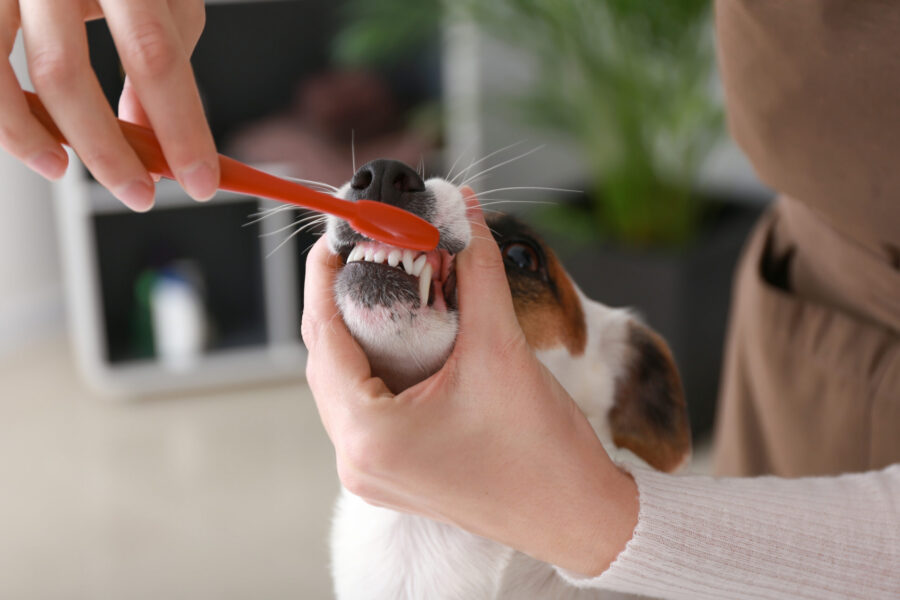
- Brush teeth regularly: Gentle brushing disrupts plaque before it causes problems.
- Feed for health: Choose minimally processed, low-carb diets rich in anti-inflammatory nutrients.
- Encourage chewing: Chew toys help stimulate saliva and disrupt plaque biofilms. (Note: safe chew items should be flexible enough not to break teeth.)
- Schedule regular veterinary exams: Set up annual or semiannual oral exams to monitor for problems. Your vet can then proceed with dental procedures as needed
- Think holistically: Oral care supports immune, digestive, and metabolic, whole-body systems.
Post Views: 34