

Check out our latest products


![[PETHROOM] Cat Nail Clipper Trimmer for Indoor Cats with Circular Cut Hole (2mm) | Premium Sturdy Stainless Steel Blade Cat Claw | Safe, Easy, Accurate, Quiet & Fast | Avoid Overcutting](https://m.media-amazon.com/images/I/6156hi88deL._AC_SL1298_.jpg)
![[PETHROOM] Professional Eye Comb for Pets | Stainless Steel Tear Stain Remover for Cats & Dogs | Gentle Round-Head Grooming Tool | Compact & Portable for Eye Gunk Removal](https://m.media-amazon.com/images/I/71+W758uwXL._SL1500_.jpg)
Walking into your home does not always come with loud greetings or excited leaps when you share your space with a cat. Instead, you might be met with a calm stare from across the room, a slow stretch on the couch, or a quiet presence that feels easy to miss. For many cat owners, this reserved behavior can spark uncertainty about whether their pet truly feels affection or attachment. Yet beneath that calm exterior often lives a deep emotional bond. Cats express love through trust, routine, and subtle gestures that quietly reveal how much their human means to them.
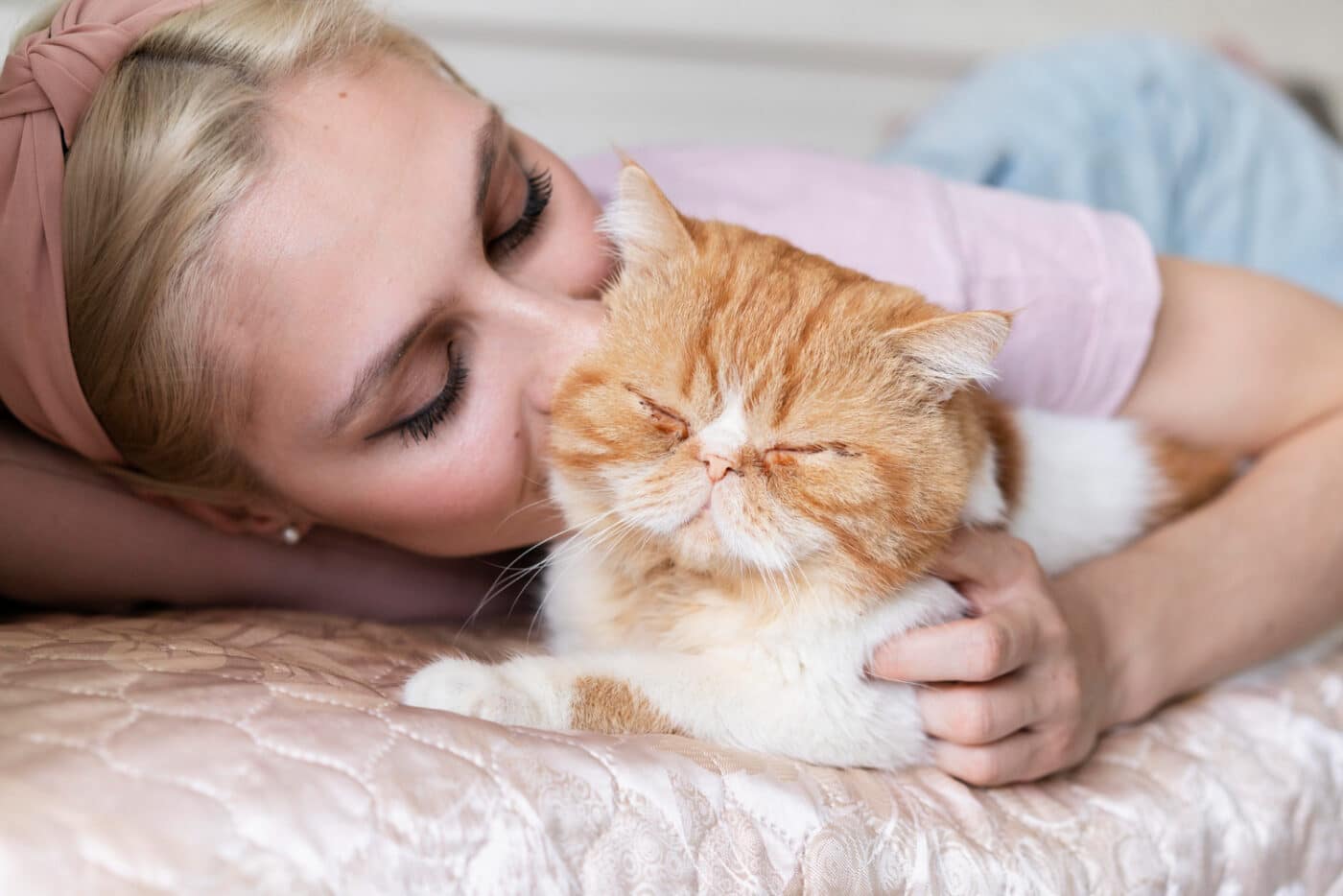
Cats communicate affection through subtle movements, gentle routines, and moments of trust that build over time. Veterinarians say these behaviors are not signs of indifference, but of a bond rooted in security and familiarity. Newsweek spoke with Dr. Liza Cahn of Embrace Pet Insurance, who shared 10 clear indicators that a cat may feel just as connected to their human as any devoted dog, only in softer, more reserved ways.
“In vet school, we learn repeatedly that cats are not just small dogs,” Cahn explained. “They are a unique species in terms of anatomy, basic needs, health concerns, social behaviors, and communication style.”
Research backs this up. A May 2022 YouGov poll found that fewer cat owners described their pets’ love as unconditional compared to dog owners. However, many more reported that their cats helped reduce stress, eased anxiety, and brought daily moments of joy. For many people, a cat’s quiet companionship offers comfort that feels steady and deeply personal.
Based in Seattle, Cahn outlined the body language and behaviors that reveal when a cat feels emotionally bonded to its owner.

How Cats Show Love in Subtle Ways
1. Relaxed Body Language
A cat that feels safe will look loose and comfortable. You may notice a softly curved tail held upright, gentle movements, or eyes that rest half closed. This relaxed posture shows your cat feels secure in your presence. According to Cahn, this is one of the strongest signs of trust, especially in a species that is naturally alert to danger.
2. Purring
Purring often happens during calm, content moments, such as being gently petted or resting beside you. Cahn notes that purring usually signals relaxation and safety. However, cats may also purr when stressed or in pain, so it is important to consider their overall posture and behavior.
3. Slow Blinking
Often described as a cat’s version of a kiss, slow blinking is easy to miss. When a cat looks at you and slowly closes and opens their eyes, they are signaling comfort and trust. Cahn says many cats respond positively when owners return the gesture, creating a quiet exchange of reassurance.
4. Grooming You
Light licking is more than a quirky habit. Cahn explains that grooming is a social behavior reserved for family members. When your cat grooms you, they are including you in their inner circle. If the licking becomes uncomfortable, redirecting them with a toy or offering gentle brushing can maintain the bond.
5. Head Butting
What may seem like a bump is actually a loving gesture. Known as bunting, head butting allows cats to transfer their scent using glands on their cheeks and forehead. Cahn says this behavior marks you as part of their family and reinforces a sense of belonging.
6. Kneading
Kneading, often called making biscuits, traces back to kittenhood. Cats knead when they feel calm and content, much like they did while nursing. It is a sign of emotional comfort, and keeping a soft blanket nearby can make these moments more pleasant for both of you.
7. Meowing
Cats rarely meow at other cats. This sound is mainly reserved for humans. The pitch, length, and repetition can signal anything from hunger to a desire for closeness. Over time, many owners learn to recognize when a meow means “feed me” versus “stay with me.”
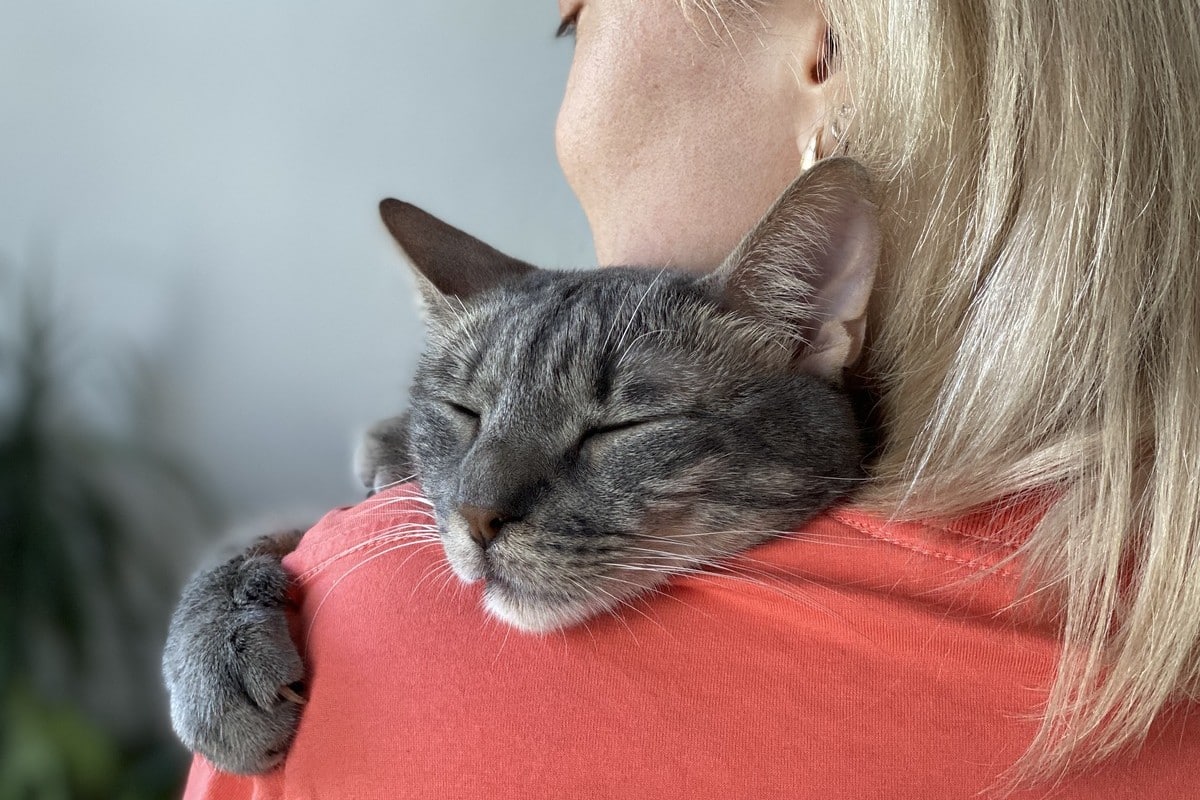
8. Sleeping on You
Sleep is when cats are most vulnerable. Choosing to curl up on your lap or rest against you shows profound trust. Your warmth and scent offer reassurance, making you a safe place in their world.
9. Play
When a cat initiates play, they are inviting you into their joy. Playful behavior often includes crouching, pouncing, rolling, and alert ears. Dilated pupils and a gently swishing tail reflect excitement and engagement. Cahn says shared play strengthens emotional bonds and builds confidence.
10. Bringing Presents
While not always pleasant, a cat leaving a “gift” is an instinctive sign of affection. Cahn advises acknowledging the intent behind the behavior. Accept the gesture calmly, then safely remove the item. Owners can redirect this instinct with interactive toys or treat puzzles.
Cats may never greet you at the door with wild enthusiasm, but their love shows up in quieter, more intimate ways. Through trust, routine, and shared moments, cats form deep emotional connections that offer comfort, laughter, and companionship every day.
And for some extra cat information to add to your feline knowledge…learn how long it takes for a cat to forget you!
Click ‘SHARE’ below to pass it on to family and friends!