

Check out our latest products


![[PETHROOM] Cat Nail Clipper Trimmer for Indoor Cats with Circular Cut Hole (2mm) | Premium Sturdy Stainless Steel Blade Cat Claw | Safe, Easy, Accurate, Quiet & Fast | Avoid Overcutting](https://m.media-amazon.com/images/I/6156hi88deL._AC_SL1298_.jpg)
![[PETHROOM] Professional Eye Comb for Pets | Stainless Steel Tear Stain Remover for Cats & Dogs | Gentle Round-Head Grooming Tool | Compact & Portable for Eye Gunk Removal](https://m.media-amazon.com/images/I/71+W758uwXL._SL1500_.jpg)
iHeartDogs is reader-supported. When you buy via links on our site, we may earn an affiliate commission at no extra cost to you.
Diabetes in dogs is a common but manageable condition, often caused by the body not producing enough insulin or not using it properly. While many diabetic dogs need insulin injections to stay stable, diet and feeding routines play a huge role in keeping blood sugar levels consistent and helping prevent complications.
From meal timing to carb intake, the small choices you make each day can have a big impact on your dog’s long-term health. Below, we’re sharing simple feeding tips for diabetic dogs that can support better glucose control, healthier weight management, and more predictable energy levels.
Feeding Tips for Diabetic Dogs (Vet-Approved Habits That Support Stable Blood Sugar)
1. High Protein/Low Carb Diet
A high-protein/low-carb diet can significantly aid in managing diabetes in dogs. High-quality proteins provide essential nutrients without causing a significant rise in blood glucose levels, thus helping to stabilize these levels throughout the day. Also, protein can support lean muscle mass, aiding in weight control, an essential aspect of diabetes management.
On the other hand, a diet low in carbohydrates minimizes sudden spikes and drops in blood glucose levels. Carbohydrates break down into sugars, which raise glucose levels in the bloodstream. Limiting carbohydrate intake can help manage your dog’s blood glucose levels more effectively, contributing to overall diabetes management.
2. No Dry Food
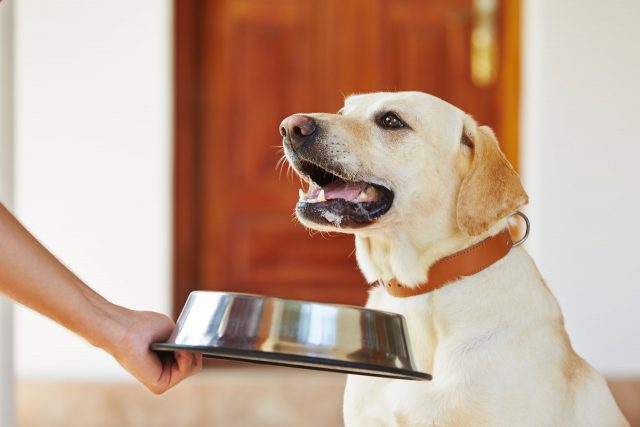
While not all dry dog foods are damaging for dogs with diabetes, many commercial kibble brands can pose a challenge in managing this condition. These products often contain high levels of carbohydrates, which can lead to an undesirable spike in blood sugar levels. Furthermore, some dry dog foods might be low in fiber, a component essential for slowing the absorption of glucose into the bloodstream and promoting feelings of fullness.
Kibble also has less moisture, and good hydration is key for diabetic dogs, as they can often experience excessive thirst. As such, it’s recommended that dog parents consider other food types for their diabetic dogs, such as wet food or fresh food.
RELATED: Best Low-Glycemic Dog Foods for Diabetic Dogs
3. Watch Their Weight
Managing your dog’s weight is crucial in controlling their diabetes. Overweight dogs have a higher risk of insulin resistance, making it harder for the body to manage blood glucose levels effectively. Keeping your dog at a healthy weight can increase insulin sensitivity, improve blood sugar control, and even reduce the amount of insulin your dog may need. Regular exercise combined with a balanced diet can help maintain a healthy weight, ultimately contributing to better diabetes management.

4. Feeding Schedule
Sticking to a consistent feeding schedule is beneficial for diabetic dogs because it helps maintain stable blood glucose levels throughout the day. By feeding your dog at the same time each day, you ensure a steady supply of glucose from the food, which aligns well with the timing of insulin administration. This regularity not only aids in the efficiency of insulin use but also reduces the risk of blood sugar spikes and crashes, which could be detrimental to your dog’s health.
5. Feed Prior to Insulin Injections
When coming up with a feeding schedule for your dog, make sure they’re fed before insulin injections. Feeding your dog before administering insulin helps ensure that there’s a steady supply of glucose entering the bloodstream when the insulin starts to take effect. This helps the insulin work more effectively at processing the glucose.
Also, it reduces the risk of hypoglycemia, a condition that can occur if insulin is given without adequate food intake, leading to dangerously low blood sugar levels.

6. Consistent Diet
A consistent diet is vital for diabetic dogs as it helps maintain stable blood glucose levels. Sudden changes in your dog’s diet can cause fluctuations in blood sugar levels, which can make diabetes harder to manage. Consistent feeding of the same type and amount of food ensures that the glucose supply to the body remains steady. This predictability allows for a more precise adjustment of insulin doses, aiding in effective diabetes management. So, any changes to a diabetic dog’s diet should always be made gradually and under the guidance of a vet.
7. If your Dog Won’t Eat, Call the Vet
If your diabetic dog is not eating, it’s generally advised not to give them their insulin dose. This is because insulin lowers blood sugar levels by helping the body use glucose from food. Administering insulin when a dog hasn’t eaten could potentially cause hypoglycemia, a condition that could be life-threatening.
If you miss more than one dose of insulin because your animal won’t eat, call your vet. There are multiple things that could be going wrong, so it’s better to be safe than sorry.

8. Treat Wisely
It’s hard to say no to a begging dog, but if your pup has diabetes, you need to be extra selective with treats. Look for treats that are low in sugar and high in fiber. That way, they won’t contribute to blood sugar spikes. Then, the fiber can help slow the absorption of glucose and promote a feeling of fullness.
Remember to consider the calorie content of the treats as well, as maintaining a healthy weight is crucial in managing diabetes. Natural options like vegetables can be a good choice, but you may want to talk to your vet to choose treats that are appropriate for your dog’s needs. Also, treats should only make up a small portion of the daily caloric intake, no matter how healthy those treats are.
RELATED: Best Diabetic Dog Treats

Choosing Diabetic-Friendly Dog Food
Managing diabetes in dogs can feel overwhelming at first, but the right feeding habits can make a meaningful difference. By focusing on high-quality nutrition, consistent meal timing, smart treat choices, and healthy weight support, you’ll help your dog maintain steadier blood sugar levels and feel their best day to day.
Every diabetic dog is a little different, so always work closely with your veterinarian before changing food types, adjusting portions, or shifting insulin timing. With a consistent routine and the right diet strategy, many dogs with diabetes can still live happy, active, tail-wagging lives.
iHeartDogs is reader-supported. When you buy via links on our site, we may earn an affiliate commission at no extra cost to you.