
Check out our latest products


![[PETHROOM] Cat Nail Clipper Trimmer for Indoor Cats with Circular Cut Hole (2mm) | Premium Sturdy Stainless Steel Blade Cat Claw | Safe, Easy, Accurate, Quiet & Fast | Avoid Overcutting](https://m.media-amazon.com/images/I/6156hi88deL._AC_SL1298_.jpg)
![[PETHROOM] Professional Eye Comb for Pets | Stainless Steel Tear Stain Remover for Cats & Dogs | Gentle Round-Head Grooming Tool | Compact & Portable for Eye Gunk Removal](https://m.media-amazon.com/images/I/71+W758uwXL._SL1500_.jpg)
Kidney Disease or Chronic Renal Failure is a common disorder in middle-aged to older cats. For all mammals, the kidneys play a role in filtering toxins from the blood, and their function is essential to survival. Unfortunately, far too many cats suffer from this progressive and eventually fatal process.
However, medical science has given us many ways to head off the progression of disease and maintain an excellent quality of life for cats affected by renal disease. It is critical for all cat lovers to understand that many cats affected by this will show no signs at all, but the following are some clues.
The Subtle Signs Of Kidney Disease In Cats
1. Increased Urination
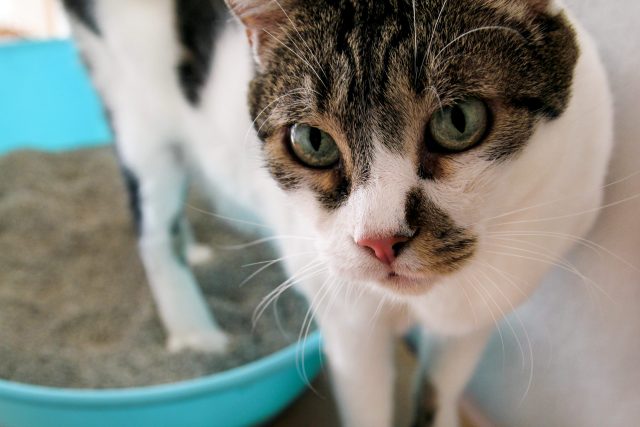
Because part of the kidneys’ job is concentrating urine to conserve water, when they are not working properly, excess water is lost in the urine that normal kidneys would conserve. This causes dilute, watery urine in large amounts. Owners will report that the litter box seems heavier. Sometimes cats urinate so frequently that they do not always make it to the box, and the owner notices inappropriate elimination.
RELATED: Researchers Find Unusual Fats May Fuel Kidney Disease In Cats
2. Increased Thirst
Because of the fluid loss into the urine, the cat’s body feels thirsty. Some of my kidney patients sit by the sink and beg their caregivers to turn on the faucet, or are often seen at the water dish. Since we humans talk about the benefits of drinking lots of water, we sometimes think this is a good sign, but actually, drinking excessive amounts of water is a sign of disease. There are other common cat diseases that cause increased thirst, so always tell your veterinarian if you notice this in your cat.

3. Finicky appetite
Cats can be particular about what they eat, even holding out for a change of pace. Experts believe that a cat’s tastes may change based on her intake and metabolic needs1. But a cat that suddenly becomes particular about eating and only eats the most delectable treats could be an indicator of something else, like kidney disease, which can cause toxins to diffuse across mucous membranes and irritate them. Your cat may have a stomach ache if he is suffering from kidney disease, or his gums could be sore, and he cannot tell you.
RELATED: Best Urinary and Kidney Support Cat Foods
4. Weight Loss
As you can imagine, when the body needs energy but the appetite or food intake is inadequate, cats lose weight. These cats often look disheveled and unkempt because they lack the energy to groom effectively. They appear thin, and their coat sometimes looks flaky or matted. When you lift them, it may seem obvious that they feel lighter. Do not ignore weight changes in cats. It likely indicates something, and you need help figuring out what.

5. Vomiting/diarrhea
As previously mentioned, when the kidneys are compromised, toxins accumulate in the blood and can irritate the mucous membranes (the linings of the mouth and GI tract). This irritation can lead to intermittent vomiting and/or diarrhea. Sometimes this irritation even creates ulcers in the stomach and intestinal lining, which can be life-threatening, but usually the signs are more subtle, with just intermittent gastric distress or loose stool.
RELATED: Best Urinary and Kidney Supplements for Cats
Talk to Your Vet If You’re Concerned About Your Cat’s Kidneys
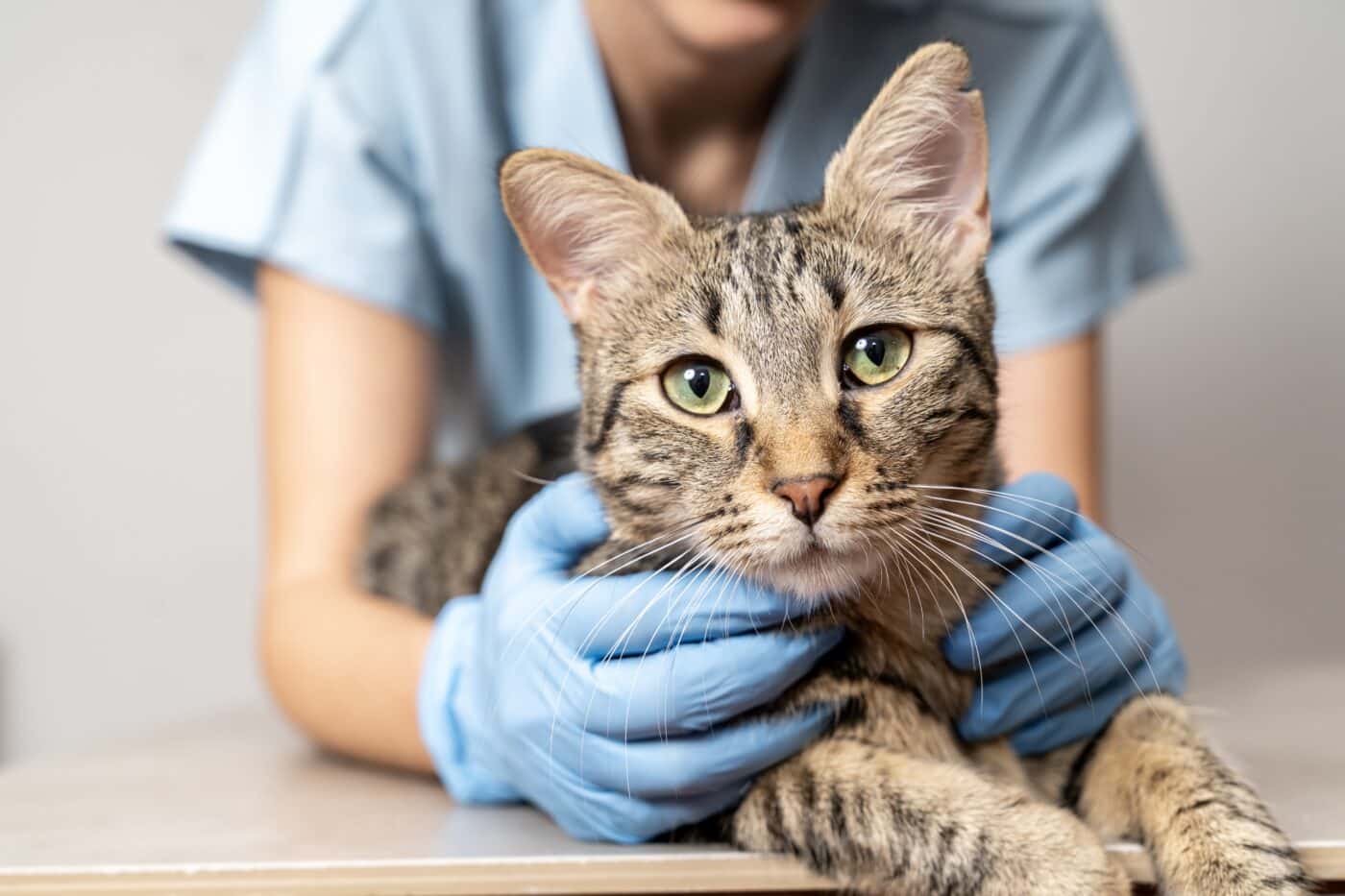
These signs can be associated with many common feline diseases, and some are significant. If your cat has one or more of these symptoms, call your veterinarian. It is definitely worth your time to check your cat’s kidney function. Your veterinarian can guide you on how to best manage your cat’s renal issues to ensure the best quality of life.
Love cats? Want to know more? Follow me on Facebook by clicking here.
- Bradshaw, JWS, Healey, LM, Thorne, CJ, McDonald, DW, Arden-Clarke, C. Differences in food preferences between individuals and populations of domestics cats Felis Silvertris Catus., Applied Animal Behavior. Science 68,257-268.