
Check out our latest products


![[PETHROOM] Cat Nail Clipper Trimmer for Indoor Cats with Circular Cut Hole (2mm) | Premium Sturdy Stainless Steel Blade Cat Claw | Safe, Easy, Accurate, Quiet & Fast | Avoid Overcutting](https://m.media-amazon.com/images/I/6156hi88deL._AC_SL1298_.jpg)
![[PETHROOM] Professional Eye Comb for Pets | Stainless Steel Tear Stain Remover for Cats & Dogs | Gentle Round-Head Grooming Tool | Compact & Portable for Eye Gunk Removal](https://m.media-amazon.com/images/I/71+W758uwXL._SL1500_.jpg)
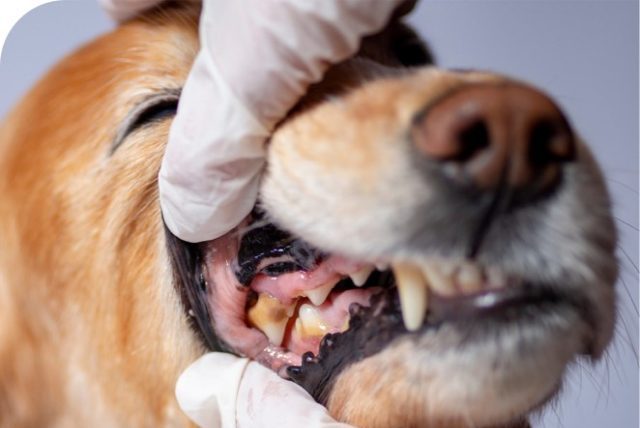
Dental health is one of the most overlooked aspects of canine care. Many pet parents assume bad breath, tartar buildup, or gum redness are minor issues or simply part of getting older. In reality, neglected teeth can quickly progress into canine dental disease, which doesn’t just affect the mouth. Harmful oral bacteria can spread throughout the body, leading to serious, painful, and sometimes fatal medical conditions.
Dr. Kathryn Primm, owner of Apple Brook Animal Hospital, and Dr. Denise Petryk, Director of Veterinary Services at Trupanion Pet Insurance, shared with us some of the most dangerous illnesses that can stem directly from poor dental hygiene in dogs.
#1 – Heart Valve Infections (Bacterial Endocarditis)
Dr. Primm:
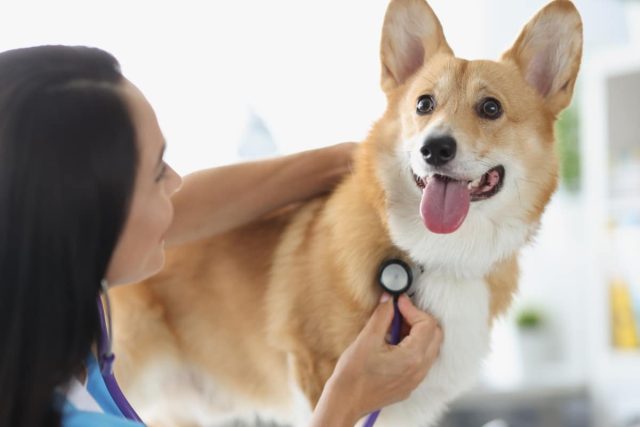
“Mouth bacteria can travel and settle on the heart valves. Bacterial endocarditis (infection of the interior of the heart) is a problem of its own and can also permanently damage cardiac tissue and lead to heart disease and even heart failure.”
When periodontal disease is present, the gums become inflamed and compromised, allowing bacteria to enter the bloodstream—a process known as bacteremia. Once circulating, these bacteria can latch onto the heart valves, particularly in dogs with pre-existing heart murmurs or structural heart issues.
Heart valve infections are extremely serious and difficult to treat. Over time, they interfere with the heart’s ability to pump blood efficiently, potentially leading to arrhythmias, congestive heart failure, or sudden death. Treatment often requires aggressive, long-term antibiotic therapy and ongoing cardiac monitoring, and even then, the damage may be permanent.
#2 – Liver Abscesses (Infections)
Dr. Primm:
“It is the job of the liver to filter things, so when bacteria in the mouth is swallowed, infection can work its way to the liver fairly easily. Treatment is long and arduous. It’s also expensive and involves long-term treatment. This can be fatal.”
The liver acts as a filtration system for toxins and bacteria entering the body. When a dog with severe dental disease constantly swallows bacteria from infected gums and teeth, the liver can become overwhelmed. This may lead to liver abscesses, which are pockets of infection within liver tissue.
Symptoms can be vague at first—lethargy, appetite loss, vomiting, or fever—but liver infections can escalate quickly. Because the liver is essential for metabolism, detoxification, and digestion, damage can have widespread consequences. Treatment often involves hospitalization, intravenous antibiotics, imaging, and sometimes surgery, making prevention especially critical.

#3 – Sepsis (Blood Infection)
Dr. Primm:
“Mouth bacteria can get into the blood stream and cause a sepsis (systemic infection that goes everywhere that the blood does–outside of the blood brain barrier). Septic pets can survive but it’s a struggle and they will die if not aggressively treated.”
Sepsis is one of the most dangerous outcomes of untreated dental disease. Once bacteria enter the bloodstream and spread throughout the body, the immune system can go into overdrive, triggering widespread inflammation, organ dysfunction, and shock.
Dogs with sepsis may show signs such as fever or hypothermia, weakness, rapid breathing, pale gums, vomiting, diarrhea, or collapse. Treatment requires immediate emergency care, often including intensive care, IV fluids, antibiotics, and organ support. Even with treatment, survival is not guaranteed—making dental prevention a literal lifesaver.

#4 – Poor Appetite and Secondary Organ Failure
Dr. Petryk:
“Bad teeth can be incredibly painful and lead to a decrease in appetite Older, thin pets are at a significant risk for additional weight loss and deterioration, which can lead to organ failure. Sometimes it can be difficult to determine whether organ failure is due to bad teeth or originates from something else.”
Dental disease doesn’t just cause bad breath—it causes chronic pain. Infected gums, loose teeth, exposed nerves, and oral ulcers can make eating excruciating. Many dogs continue to eat despite pain, but often eat less, chew on one side, or stop eating altogether.
Over time, reduced food intake can lead to weight loss, muscle wasting, weakened immunity, and deterioration of vital organs such as the kidneys and liver. In senior dogs, especially, this decline can be rapid. Complicating matters further, symptoms of dental pain can mimic or mask other systemic diseases, delaying diagnosis and treatment.

#5 – Osteomyelitis (Bone Infection)
Dr. Petryk:
“Severe dental disease can lead to bone infections and a broken jaw. Bone infection (osteomyelitis) is not only painful, but it can also lead to the life threatening complication of a broken maxilla or mandible that might not heal. This is especially true in small dogs, who are most prone to dental disease. The bone under the teeth is susceptible to infection and becoming brittle. When this bone breaks, it is very hard for it to heal AND it is very difficult for veterinarians to fix some of these fractures.”
In advanced periodontal disease, infection can spread beyond the gums and tooth roots into the surrounding jawbone. This results in osteomyelitis, a deep and painful bone infection that weakens bone structure.
Small-breed dogs are particularly vulnerable because their jawbones are thinner to begin with. In severe cases, the jaw can fracture simply from normal activities like chewing or playing. These fractures are extremely challenging to repair, may not heal properly, and can drastically affect a dog’s quality of life.
What Can a Responsible Pet Parent Do?
So now that you’ve heard about these painful, life-threatening diseases, what’s a responsible pet parent to do?
The most important step is prevention. Anything you can do to reduce plaque, tartar, and oral bacteria will dramatically lower your dog’s risk of developing canine dental disease and its dangerous complications.
Veterinarians generally recommend:
-
Daily tooth brushing using dog-specific toothpaste
-
Annual or biannual professional dental cleanings, depending on your dog’s size, breed, and dental history
That said, many pet parents struggle with brushing their dog’s teeth—and you’re not alone. If daily brushing isn’t realistic, consistency with alternative dental care is still far better than doing nothing. Helpful options include:
-
Veterinary-approved dental chews and treats
-
Water additives designed to reduce oral bacteria
-
Dental diets or kibble formulated to mechanically clean teeth
-
Dental wipes or gels for dogs who won’t tolerate brushing
-
Routine at-home mouth checks to catch redness, swelling, broken teeth, or odor early
Most importantly, don’t ignore signs like bad breath, drooling, pawing at the mouth, or changes in eating habits. These are often the first clues that dental disease is already present.

The Lifesaving Power of Proper Dental Care
Dental disease is far more than a cosmetic issue; it’s a serious medical condition with the power to affect nearly every major organ system in your dog’s body. From heart valve infections and liver disease to sepsis and jaw fractures, the consequences of poor oral hygiene can be devastating.
The good news? Canine dental disease is largely preventable. With proactive care, regular veterinary exams, and a dental routine that works for both you and your dog, you can significantly reduce their risk and improve their comfort, longevity, and overall quality of life.
A healthy mouth truly supports a healthy body, and your dog is counting on you to protect both.