
Check out our latest products


![[PETHROOM] Cat Nail Clipper Trimmer for Indoor Cats with Circular Cut Hole (2mm) | Premium Sturdy Stainless Steel Blade Cat Claw | Safe, Easy, Accurate, Quiet & Fast | Avoid Overcutting](https://m.media-amazon.com/images/I/6156hi88deL._AC_SL1298_.jpg)
![[PETHROOM] Professional Eye Comb for Pets | Stainless Steel Tear Stain Remover for Cats & Dogs | Gentle Round-Head Grooming Tool | Compact & Portable for Eye Gunk Removal](https://m.media-amazon.com/images/I/71+W758uwXL._SL1500_.jpg)
Shutterstock
Some dogs leave paw prints on your heart, and others leave a little extra on your floors. Drooling is a completely natural trait in many breeds, especially those with loose lips and large jowls. While a bit of slobber can be endearing, certain dogs are far more generous with their saliva than most. For some owners, a towel becomes a daily essential rather than an occasional tool. If you are curious about which breeds are most likely to keep a towel nearby, these famously drooly companions top the list.
Saint Bernard
 Shutterstock
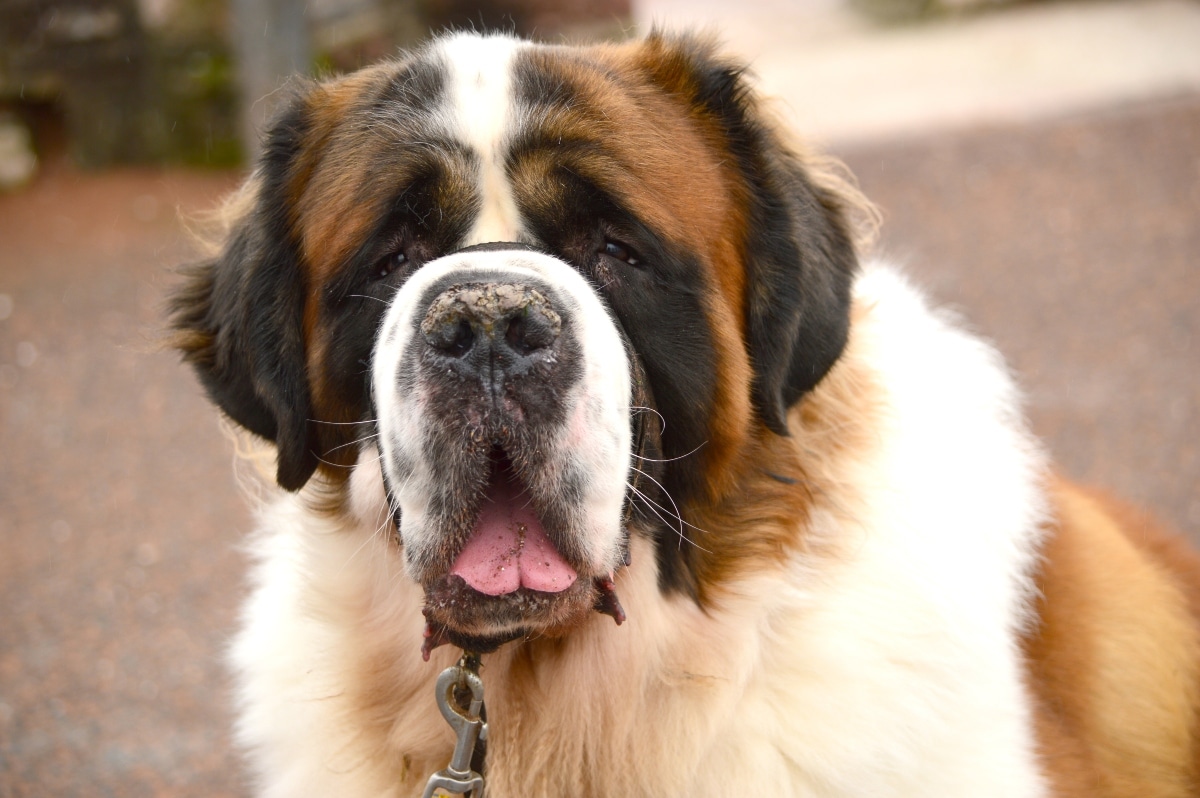
Saint Bernards are practically the poster dogs for drooling, thanks to their massive heads and deeply hanging flews that allow saliva to collect and spill over with ease. Originally bred for rescue work in the Swiss Alps, their heavy facial structure helped protect them from harsh weather, but it also makes containing drool nearly impossible. Whether they are panting, anticipating food, or simply relaxing, slobber tends to drip steadily from their mouths. A single head shake can send droplets flying, making towels a basic household necessity.
Bloodhound
 Shutterstock
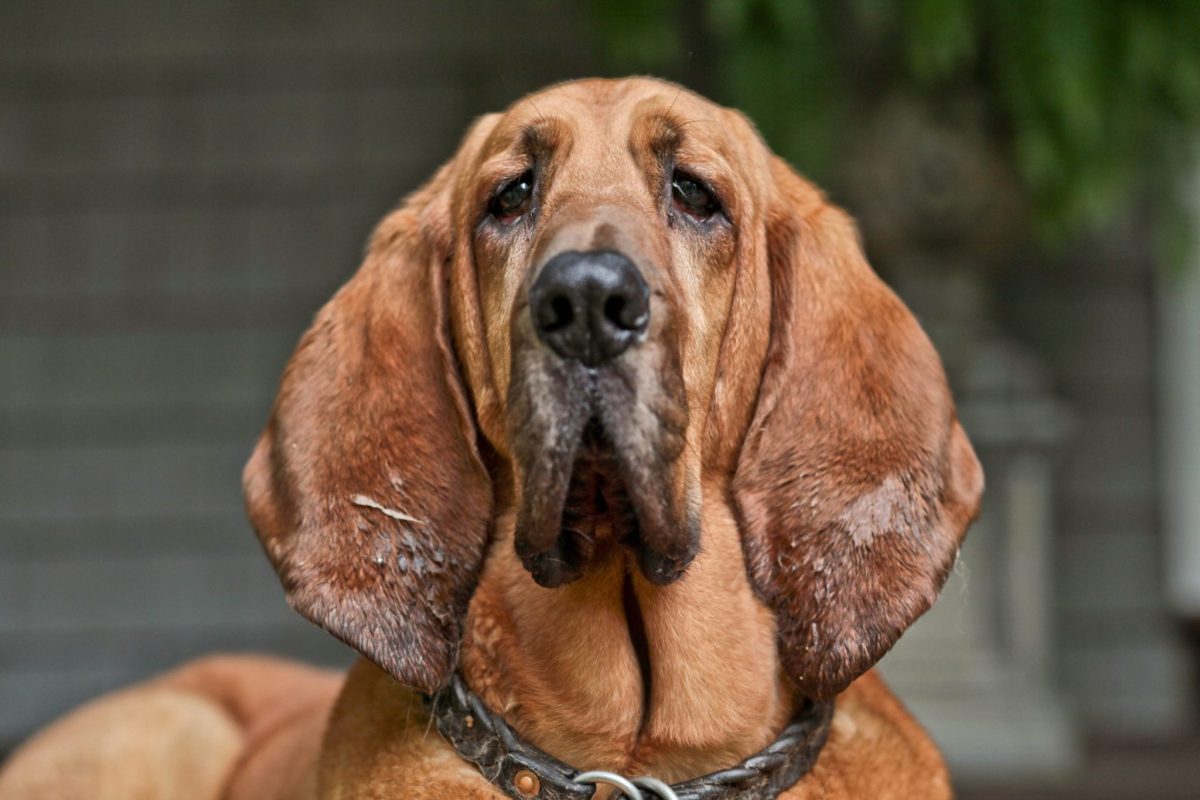
Bloodhounds are famous for their unmatched tracking ability, yet their long ears and loose facial skin also make them champion droolers. The same folds that help trap scent particles allow saliva to gather along their lips and chin. As they follow a trail with intense focus, drool often swings from their jowls in noticeable strands. Even at rest, their heavy flews make it difficult to contain saliva, so a bit of slobber is simply part of daily life with this determined and affectionate hound.
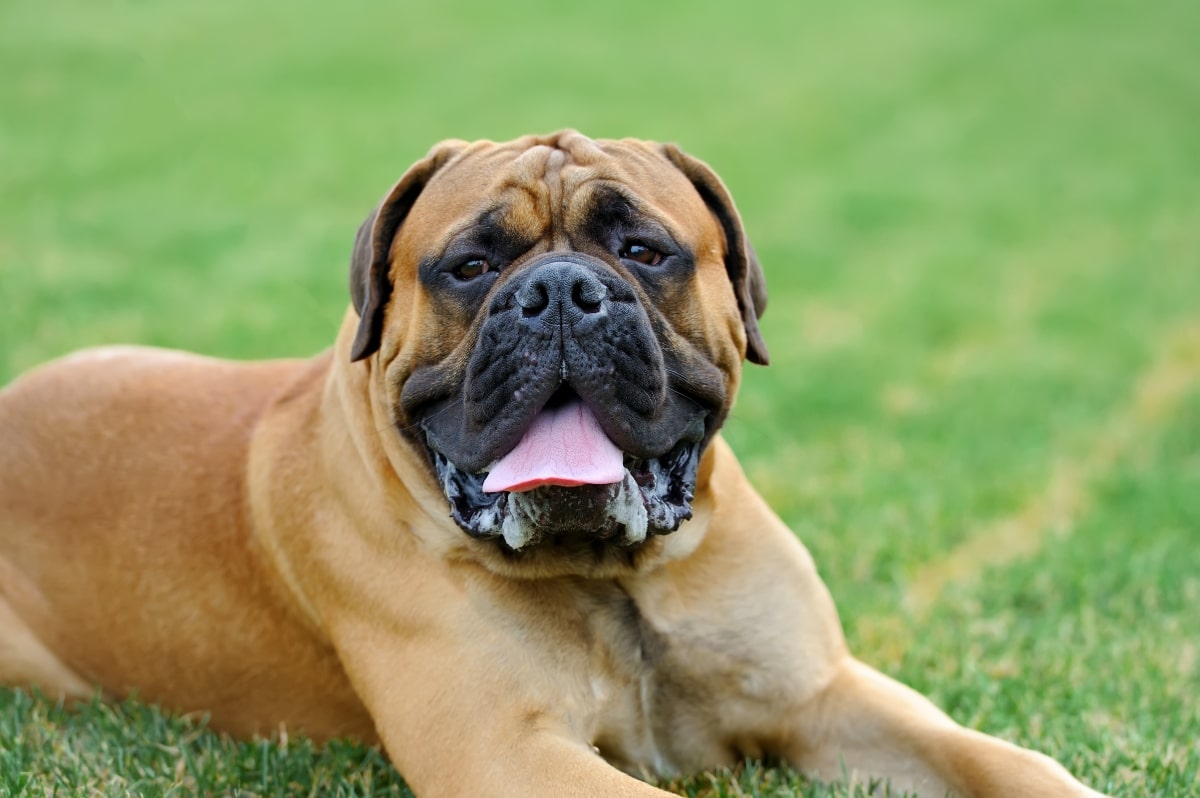
Mastiff
 Shutterstock
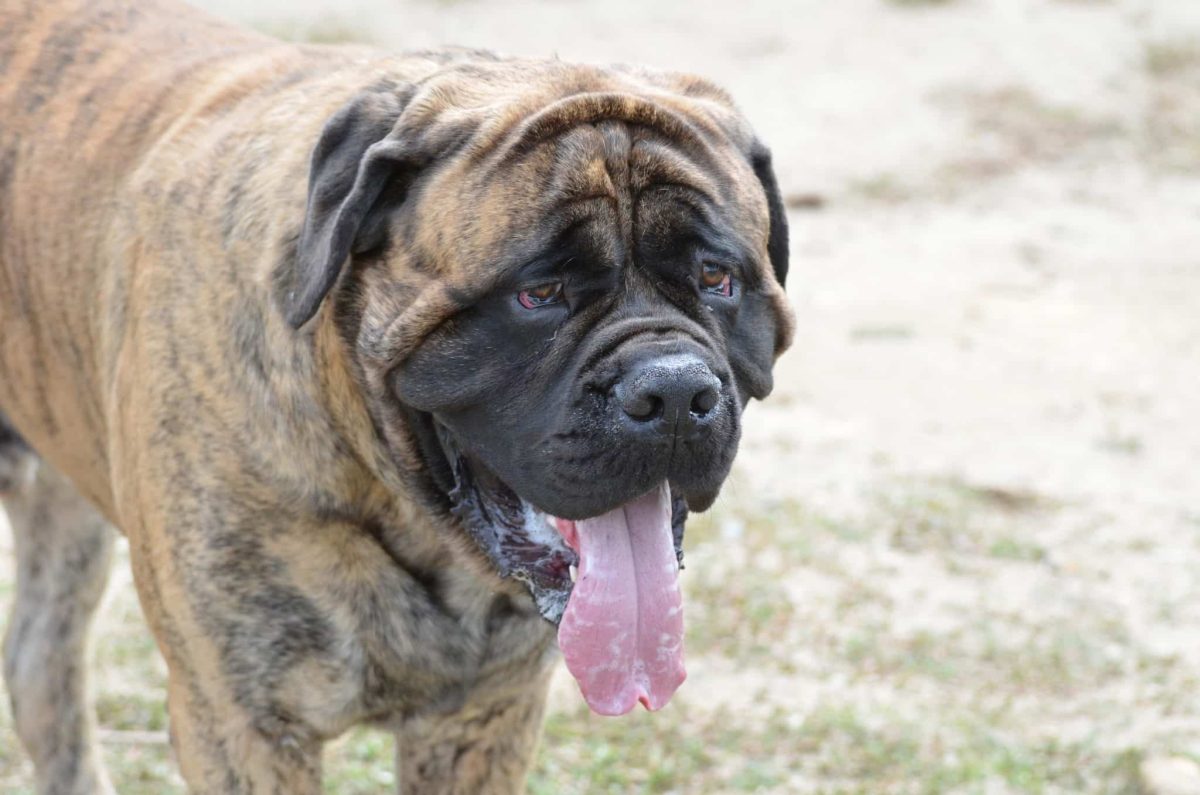
Mastiffs are enormous dogs with equally impressive drooling tendencies, largely due to their huge heads and very loose lips. Historically bred as guardians and war dogs, they developed thick skin and powerful jaws that now contribute to their signature slobber. Saliva frequently gathers in their flews and escapes after drinking, eating, or mild excitement. Because of their size, even a moderate amount of drool can seem dramatic, and a casual head shake can distribute it across a wide area.
Newfoundland
 Shutterstock
Newfoundlands are gentle giants known for their water rescue skills, but their broad muzzles and heavy lips also make them prone to drooling. Water often drips from their mouths after swimming or drinking, and saliva quickly follows. Their substantial jowls allow drool to pool at the corners before spilling over, especially when panting. Combined with their affectionate nature and tendency to lean close, their slobber becomes a familiar part of sharing space with this sweet and loyal breed.
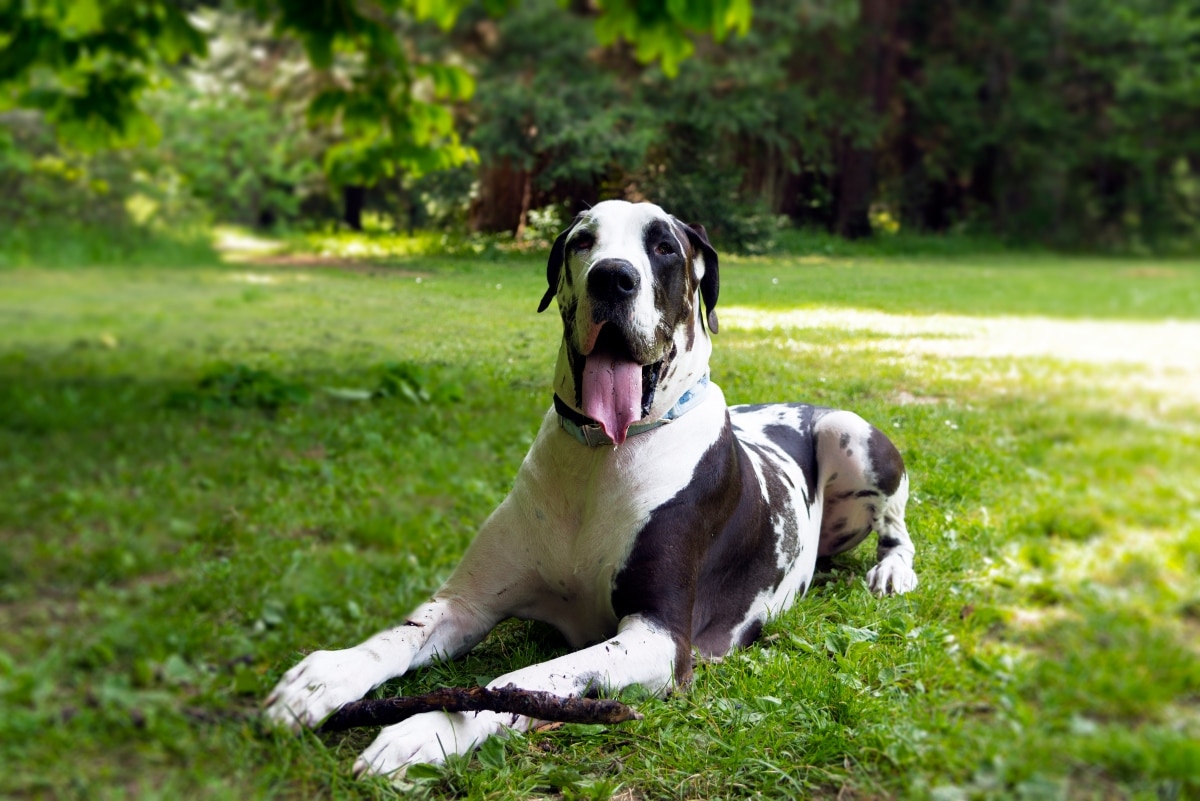
Great Dane
 Shutterstock
Great Danes are elegant yet towering dogs whose long muzzles and loose lips make drooling fairly common. While not every individual is an extreme slobberer, many produce noticeable drool after meals, drinks, or bouts of excitement. Their height amplifies the impact, as a simple head shake can send saliva farther than expected. Because their mouths are so large, gravity quickly takes over when saliva gathers, making drool management an important consideration for prospective owners.
Boxer
 Shutterstock
Boxers have shorter muzzles and slightly undershot jaws, features that can contribute to increased drooling compared to tighter-lipped breeds. Their playful and energetic personality often leads to panting, which stimulates saliva production and makes drool more visible. Food anticipation and excitement can quickly trigger strings of slobber at the corners of their mouths. Although not as excessive as some giant breeds, their facial structure still places them firmly among the more drool-prone companions.
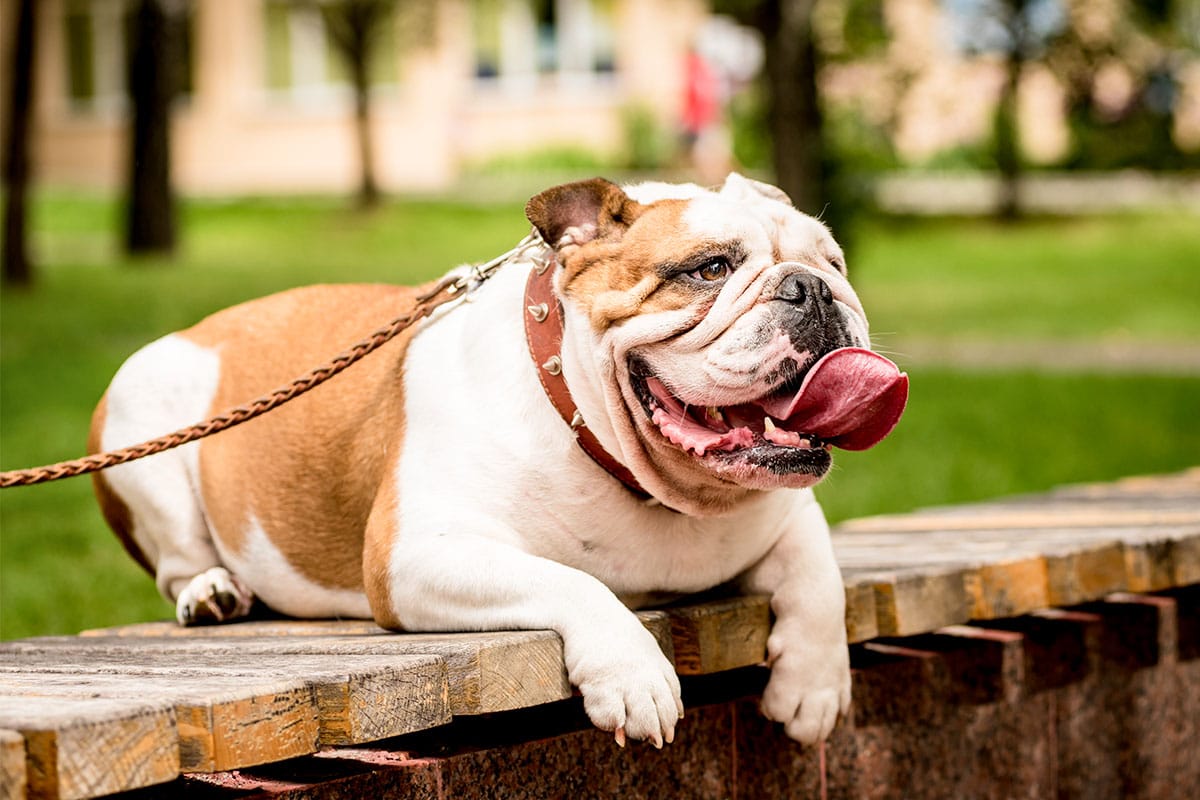
Bulldog
 Shutterstock
Bulldogs are easily recognized by their wrinkled faces, heavy jowls, and compact build, all of which contribute to frequent drooling. Their loose lips allow saliva to collect and drip, particularly after eating or drinking. Heat sensitivity often leads to increased panting, which further stimulates drool production. Because their facial folds can trap moisture, regular cleaning is important to keep their skin healthy while managing the steady flow of slobber.
Basset Hound
 Shutterstock
Basset Hounds have wonderfully droopy mouths and long ears that help them excel at scent work, but also make drooling almost inevitable. Saliva easily pools in their loose flaps and drips when they lower their heads to follow an interesting smell. A simple head shake can scatter droplets in wide arcs. Their relaxed demeanor does not reduce the slobber factor, so daily life with a Basset often includes wiping chins and nearby surfaces.
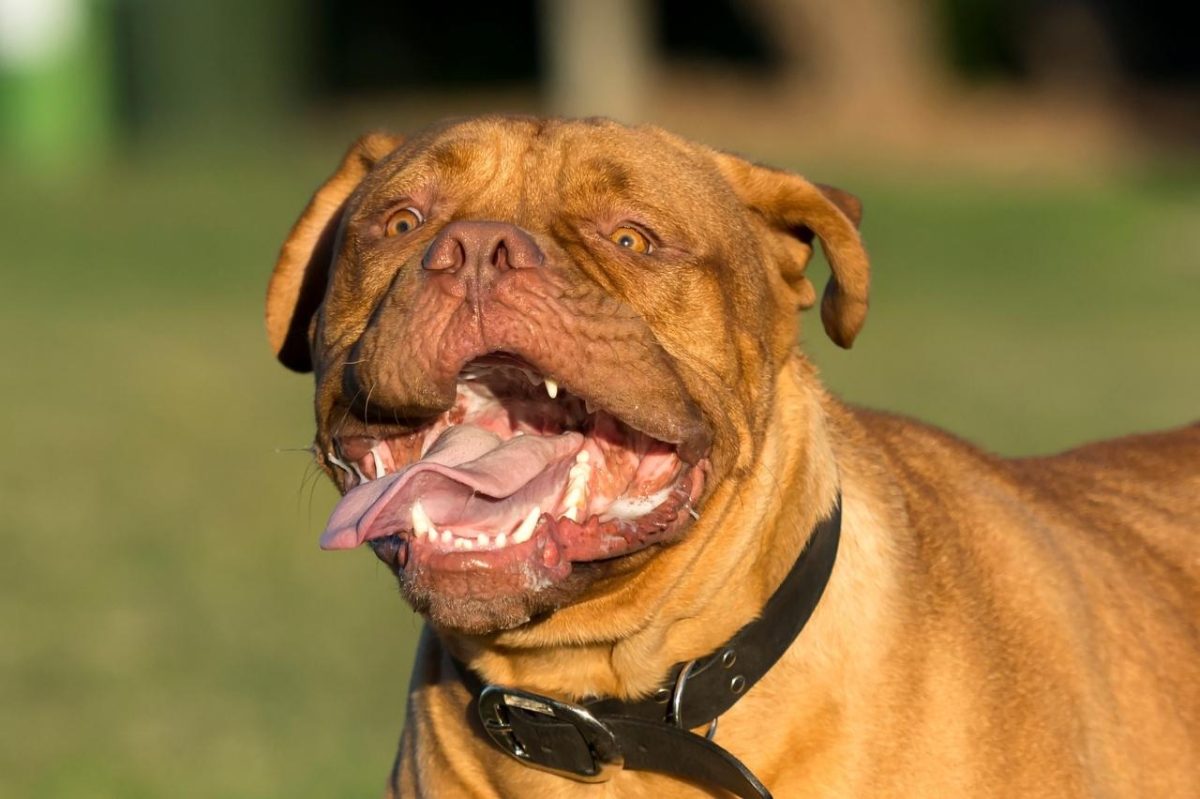
Dogue de Bordeaux
 Shutterstock
The Dogue de Bordeaux has an enormous head and thick, pendulous lips that make drooling a constant companion. Originally used as a guardian and working dog, this breed developed a powerful jaw and loose facial skin that does little to contain saliva. Drool commonly gathers along the lower lip and spills over with minimal movement. After meals or during warm weather, the volume can increase significantly, reinforcing their reputation as enthusiastic slobberers.
Bernese Mountain Dog
 Shutterstock
Bernese Mountain Dogs are not always extreme droolers, but many individuals produce noticeable slobber due to their large heads and somewhat loose lips. After drinking water, it is common to see droplets hanging from their chins. Heat and exercise can increase panting and saliva production. Their affectionate habit of resting their heads close to family members can make even small amounts of drool feel more dramatic than expected.
Cane Corso
 Shutterstock
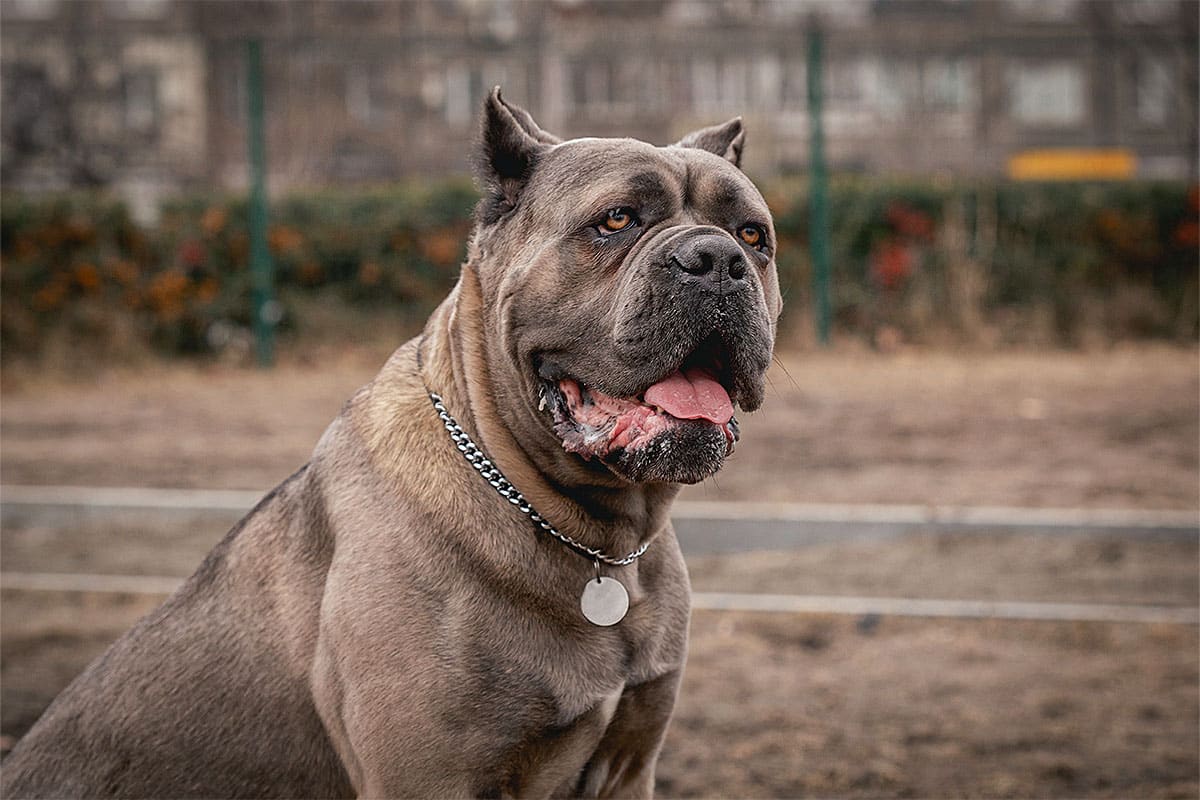
Cane Corsos are muscular guardians with broad heads and pronounced flews that encourage drooling. Saliva often gathers along their loose lips and drips when they pant, eat, or focus intensely on something. Their imposing size magnifies the effect, making even moderate slobber noticeable. Because they are alert and responsive dogs, moments of excitement or anticipation can quickly increase drool production.
Clumber Spaniel
 Shutterstock
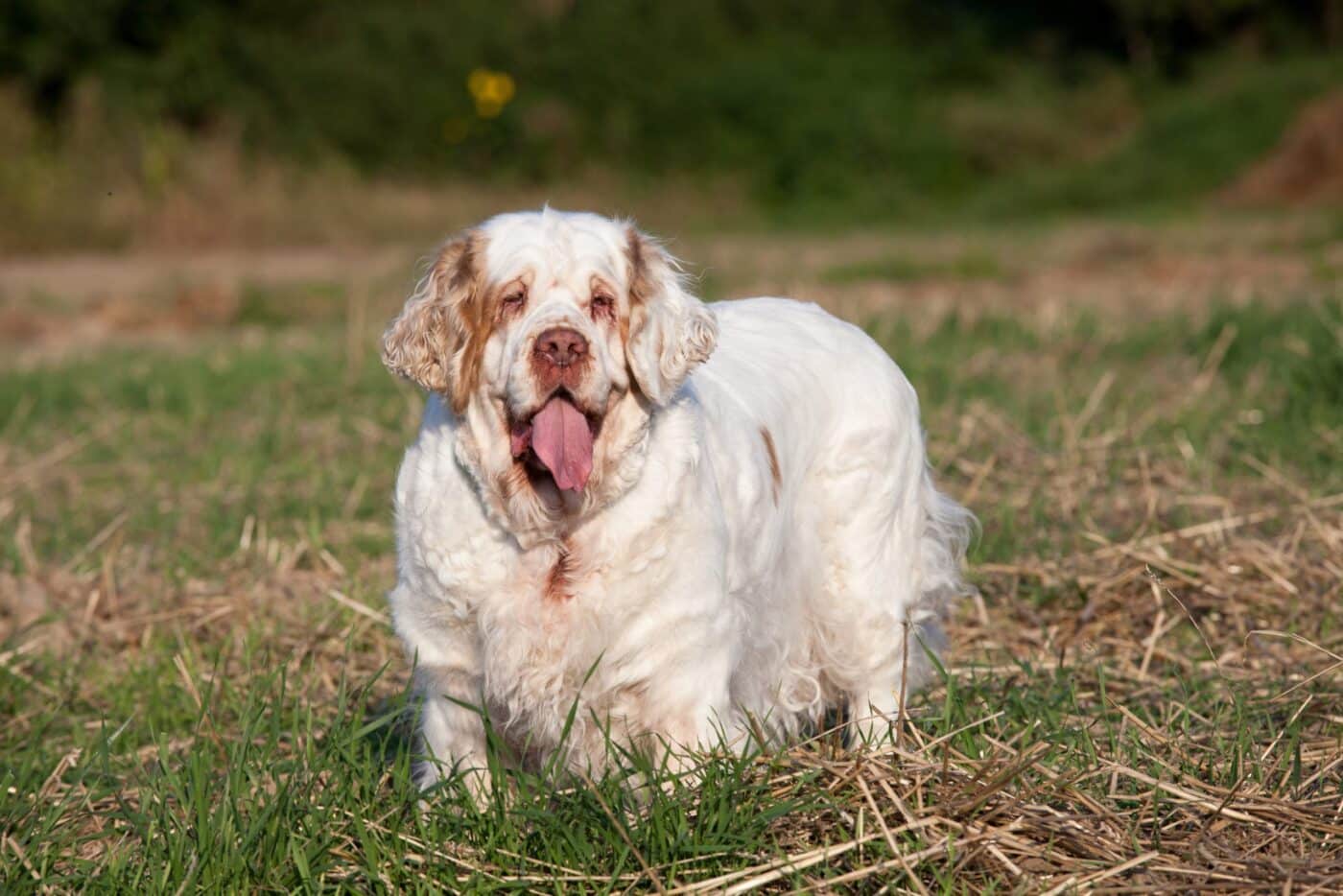
Clumber Spaniels are sturdy sporting dogs with large heads and heavy lips that allow saliva to collect at the corners of their mouths. After drinking water or engaging in activity, drool may drip steadily from their jowls. Their calm indoor temperament does not eliminate the tendency, especially in warm conditions. Owners often find that keeping a cloth handy helps manage this breed’s naturally moist smile.

Neapolitan Mastiff
 Shutterstock
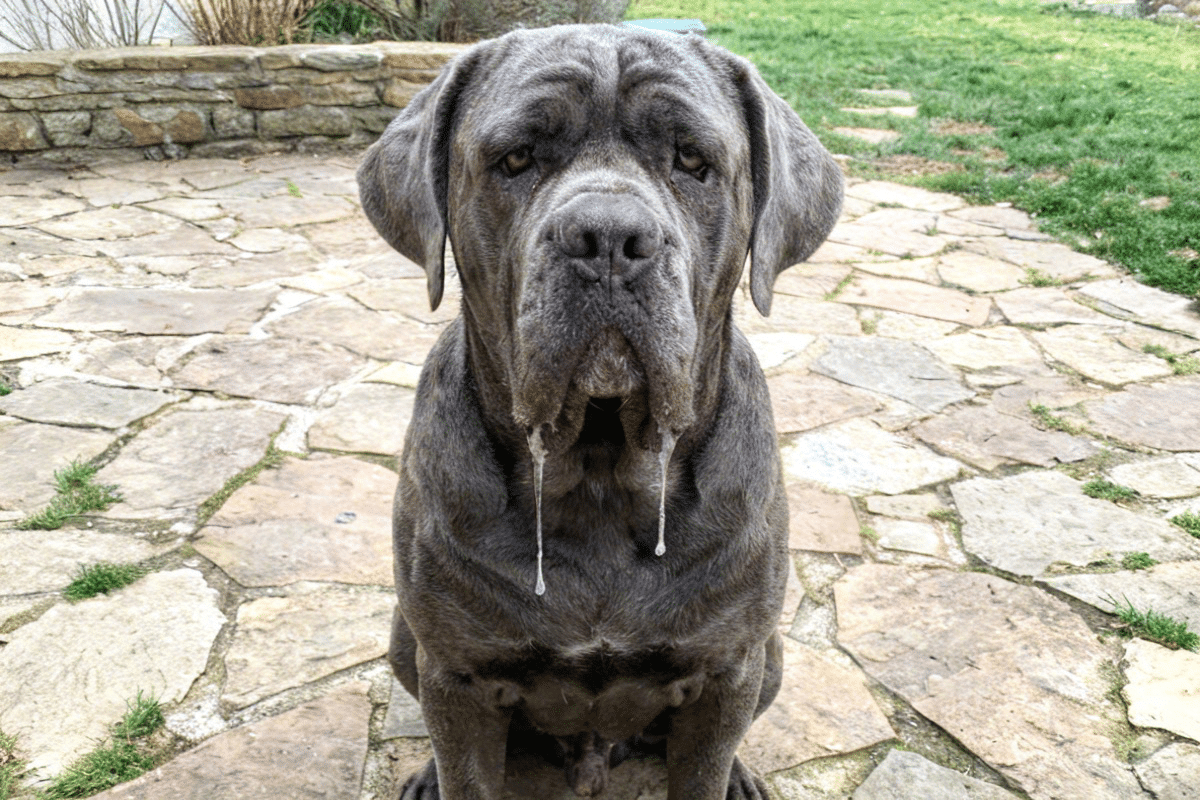
Neapolitan Mastiffs are famous for their dramatic wrinkles and deeply hanging jowls, features that make them one of the most drool-prone breeds. Their loose skin and massive lips create numerous folds where saliva can gather before spilling over. Even when resting, drool may slowly drip from their mouths. A vigorous head shake can send droplets flying in every direction, making slobber management a daily routine.
Drool Happens, and We Love Them Anyway
 Shutterstock
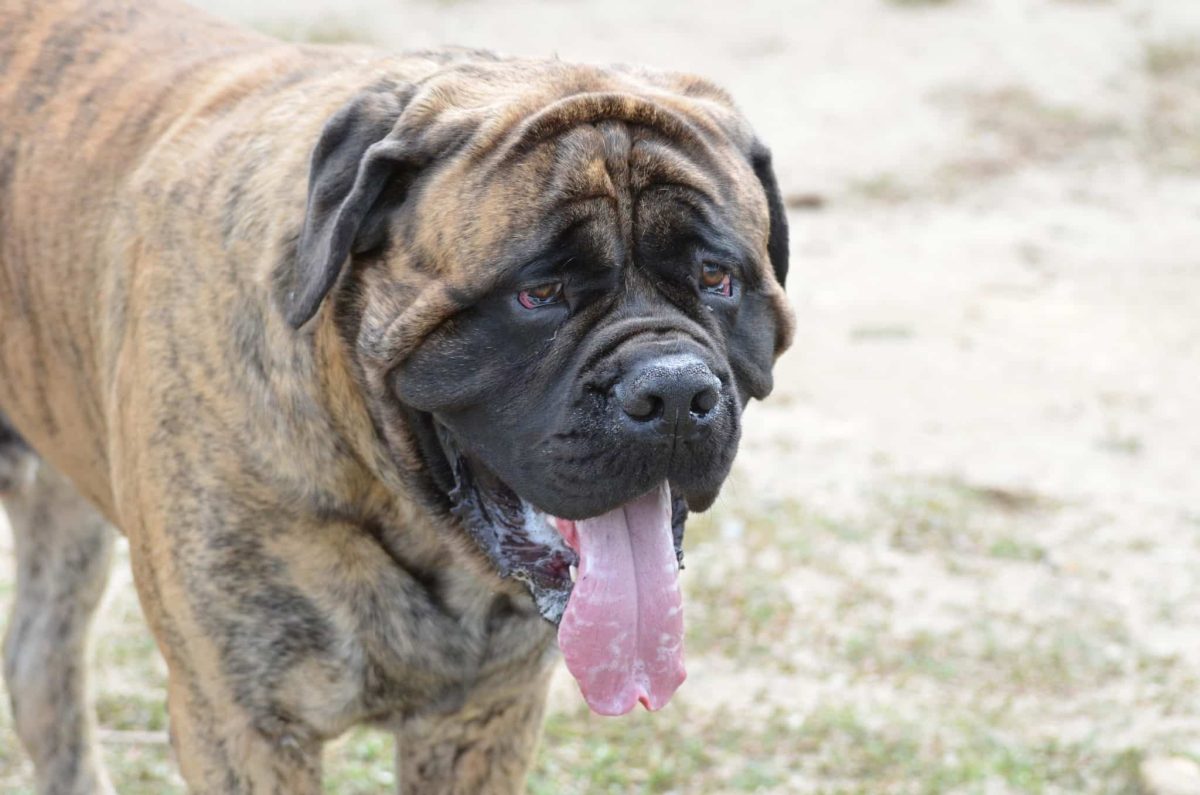
Living with a drool-prone dog requires patience, humor, and realistic expectations about spotless floors and furniture. For these breeds, slobber is usually a natural result of loose lips, large jowls, and powerful jaws rather than a health concern. Regular grooming, routine face cleaning, and a ready supply of towels make daily life much easier and far less slippery. While the extra moisture may not suit everyone, many owners gladly accept the mess as part of the charm and devotion they receive.